Surviving a fire is only the first hurdle for property owners; the secondary effects of the blaze often prove to be more pervasive.
Addressing smoke damage requires an immediate and strategic approach because soot particles are acidic and highly invasive. If left untreated, these residues can cause permanent staining and structural degradation throughout your entire home or office. Working with professional fire damage restoration services ensures that contamination is handled properly from the very beginning.
The Chemistry and Composition of Soot
To effectively treat a building, one must understand that soot is a complex mixture of carbon, chemicals, and plastics. This material becomes extremely corrosive when combined with the natural humidity in the air. This chemical reaction is why smoke damage can etch into glass and tarnish metal fixtures within just a few hours.
Different fires produce distinct types of residue, such as wet smoke from low heat smoldering or dry smoke from fast burning wood. Each type requires a specific cleaning agent to ensure the surface is not further damaged during the restoration. Identifying the fuel source is vital for a successful and safe cleanup.
Hidden Dangers and Air Quality Concerns
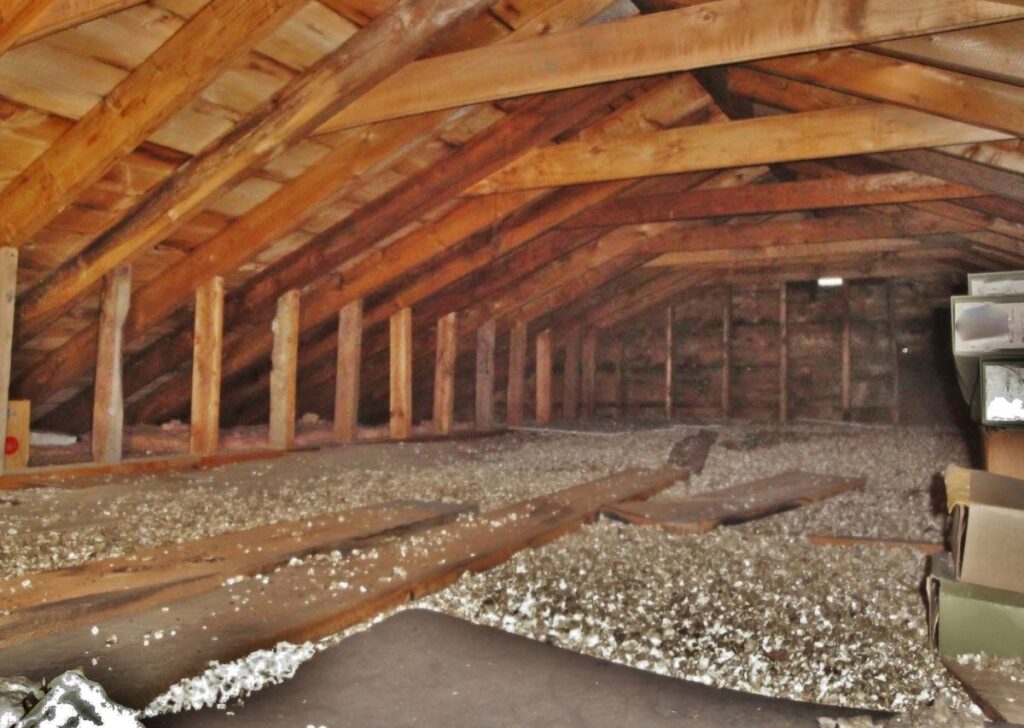
Smoke travels through plumbing bypasses and electrical conduits, settling in areas far removed from the actual flames. This hidden smoke damage can compromise the indoor air quality of a building for many months if it is not thoroughly addressed. Fine particulate matter can lodge deep within attic insulation and wall cavities.
Inhaling these microscopic particles poses a significant health risk to the inhabitants of the property. Professional air scrubbing is necessary to remove these contaminants from the environment. Ensuring the air is clean is just as important as cleaning the visible soot from the walls and ceilings of the affected rooms.
Structural Deodorization and Neutralization
The lingering scent of a fire is often the most difficult element to remove from a property. Traditional cleaning methods only address the surface, but smoke damage odors are trapped at a molecular level within porous building materials. Without professional neutralization, the smell will return during periods of high humidity or heat.
Technicians use specialized equipment like thermal foggers or hydroxyl generators to reach deep into the building’s infrastructure. These processes break down the odor molecules rather than simply masking them with perfumes. Complete deodorization is essential for restoring the comfort and livability of your space after a catastrophic event occurs.
Protecting Porous Materials and Textiles
Carpets, upholstery, and curtains act like giant filters that trap soot and ash during a fire event. Managing smoke damage in textiles requires delicate handling to prevent the particles from being ground deeper into the fibers. Specialized vacuuming with high efficiency filters is the first step in salvaging these expensive household items.
Many fabrics can be restored through professional dry cleaning or immersion techniques designed specifically for fire loss. However, delays in treatment can lead to permanent yellowing or fiber breakdown. Acting quickly to remove these items from the contaminated environment is the best way to ensure they can be saved.
Restoration Equipment and Technology
HEPA Air Scrubbers: These high capacity machines remove 99.7% of airborne soot and smoke particles to purify the indoor environment.
Thermal Foggers: Used to distribute a deodorizing fog that penetrates deep into wall cavities and cracks where odors are trapped.
Ultrasonic Cleaners: These use high frequency sound waves to remove fine soot from delicate items like jewelry and small electronics.
Ozone Generators: These machines alter the chemical structure of odor molecules to permanently eliminate the smell of smoke from a building.
Hydroxyl Generators: A safe alternative to ozone that can be used while people and pets are present to neutralize odors.
Soot Sponges: Specialized dry sponges used to lift soot from surfaces without smearing it or pushing it into the paint.
Mitigating Corrosive Effects on Surfaces
Metal surfaces such as door handles, kitchen appliances, and electronic components are highly susceptible to corrosion. The acidic nature of smoke damage begins to pit and tarnish these items almost immediately upon contact. Cleaning these surfaces with the correct neutralizing agents is a top priority for any restoration team.
If these items are not cleaned within the first twenty four hours, the damage may become irreversible. This is particularly true for items with a high surface area like a 1900 series electronic component or complex machinery. Protecting your hardware from chemical degradation is a vital part of the recovery process.
The Insurance Claims and Documentation Process
Documenting the extent of the loss is a critical step for securing the necessary funds for restoration. Take high resolution photographs of all smoke damage on walls, ceilings, and inside cupboards before any cleaning begins. A detailed inventory list will help your insurance adjuster understand the full scope of the project.
Working with providers offering complete property restoration services can often simplify the communication with your insurance provider. These experts provide the technical reports and line item estimates required for a smooth claim process. Proper documentation ensures that you receive the maximum benefit to restore your property to its pre loss state.
Salvaging Electronics and Data
Soot is conductive and can cause short circuits if electronics are powered on before being professionally cleaned. Managing smoke damage in modern devices involves disassembling the units and cleaning each component with specialized solvents. This meticulous process can save expensive computers and entertainment systems from the scrap heap.
Heat and smoke can also compromise data storage devices even if the exterior looks intact. Professional data recovery services may be needed if important files are at risk. Always consult with a technician before plugging in any device that has been exposed to the heat or smoke of a fire.
Professional Cleaning vs DIY Efforts
While homeowners may be tempted to start the cleanup themselves, improper techniques can lead to permanent damage. Rubbing soot with standard household cleaners often results in deep smearing that requires complete repainting. Addressing smoke damage is a technical task that benefits greatly from specialized training and industrial tools.
Professionals have the protective gear necessary to handle toxic ash safely without risking their health. They also understand the building codes and safety regulations that must be followed during the restoration. Investing in professional services ensures the job is done right the first time and protects your long term property value.
Final Inspection and Moving Back In
The restoration journey ends with a final verification that all soot has been removed and the air quality is safe. Once the equipment is removed, the property should be clean, odor free, and ready for occupancy. Checking for lingering smoke damage ensures that the reconstruction phase can proceed with total confidence.
Restoring your home is about more than just cleaning walls; it is about reclaiming your peace of mind. By following a strict protocol and using professional tools, you can ensure your living space is healthy and secure. For more in-depth insights, review this comprehensive fire damage restoration guide.
Expert Restoration for Smoke and Soot Issues
CET carries a trusted heritage in professional disaster recovery. Our team provides comprehensive smoke cleaning, water extraction, and structural repair services. We utilize advanced hydroxyl technology on 1900 series projects to ensure complete air purification. Visit https://classicet.com/ or email info@classicet.com and call (224) 899-2707 to clear the air for your family today.
Frequently Asked Questions
Without professional intervention, the smell of smoke can linger for several years in porous materials. The odor molecules are trapped deep within the walls and insulation of the property. Using professional deodorization techniques is the only way to permanently neutralize these scents for a fresh home.
Standard cleaners often contain chemicals that react with the acidic soot, causing permanent stains or smearing. It is best to use specialized soot sponges and alkaline cleaners designed specifically for fire restoration. This prevents the residue from being pushed deeper into the paint or the drywall.
Even minor damage can release toxic particles into the air that are harmful to your lungs. It is highly recommended to have the air quality professionally tested before anyone stays in the home. Ensuring the environment is free from fine particulate matter is the only way to protect your health safely.
Most standard homeowners policies include coverage for the cleaning and restoration of personal textiles affected by a fire. You should document all affected items and consult with your insurance adjuster about your specific limits. Professional dry cleaning can often save your wardrobe from permanent damage.
Smoke is a gas that expands rapidly and travels through any available opening in the building. It moves through vents, electrical outlets, and gaps in floorboards to settle in every corner of the structure. This is why a comprehensive inspection of the entire property is necessary after any fire.