Experiencing a flood or a burst pipe can be devastating for any property owner. Dealing with water damage requires a swift and calculated response to prevent secondary issues like mold growth or structural instability. By understanding the restoration process, you can ensure your home returns to a safe and dry condition as quickly as possible. For professional help and expert solutions, visit water damage restoration experts.
The Critical Nature of Immediate Water Extraction
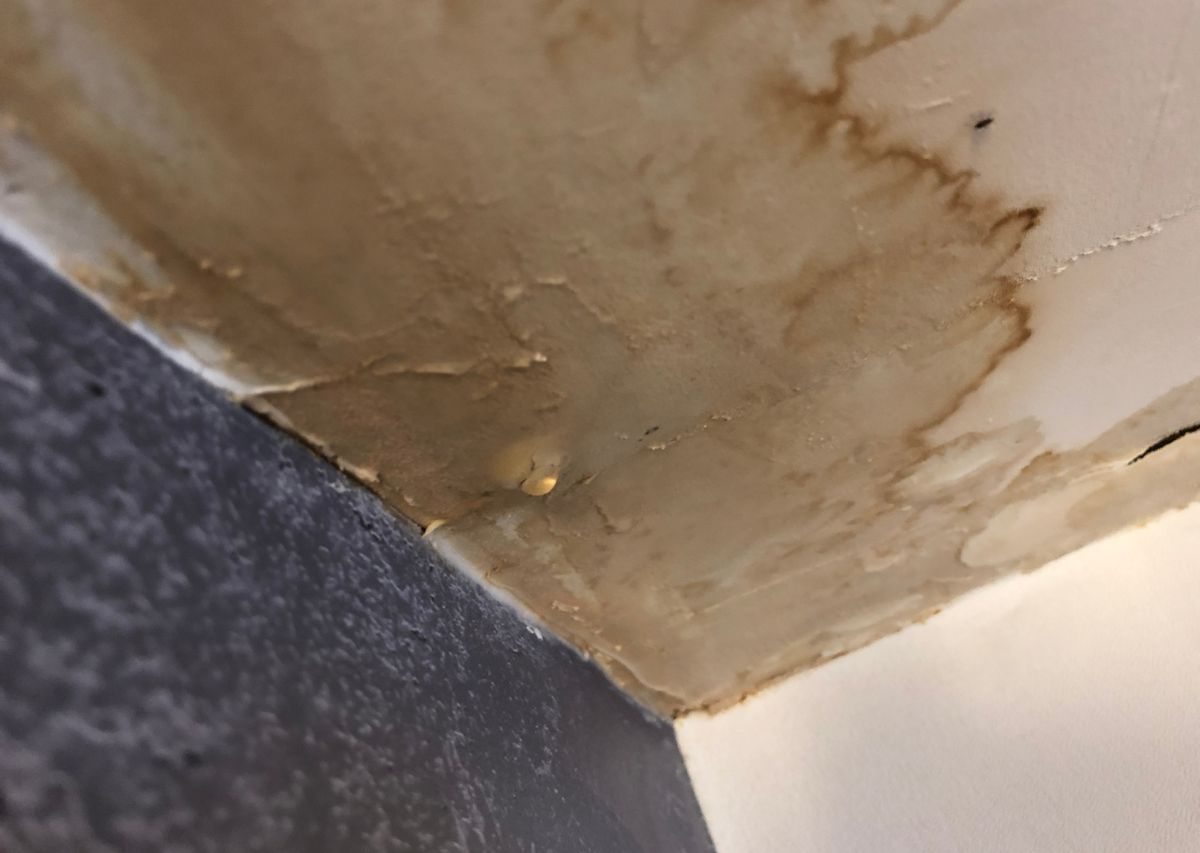
The first few hours after a leak are the most vital for saving your flooring and drywall. Standing water seeps into porous materials, causing them to swell and lose their structural integrity. Addressing the water damage immediately stops the migration of moisture into unaffected areas of the building, significantly reducing the total repair costs.
Professional extraction tools are much more powerful than standard wet dry vacuums. These machines can remove hundreds of gallons in minutes, which is essential for large scale projects. Getting the bulk of the liquid out of the house is the foundational step that allows the deeper drying process to begin without delay.
Classifying the Source and Quality of Water
Not all floods are equal in terms of health risks and cleanup requirements. Clean water from a broken supply line is considered category one and is relatively safe to handle. However, when water damage involves gray or black water, such as sewage backups, the health risks to the inhabitants increase substantially.
Identifying the category of the liquid helps professionals choose the correct antimicrobial treatments and safety protocols. Contaminated water requires specialized heavy duty cleaning and disposal of porous materials like carpets and pads. Proper classification ensures that the restoration is not only effective but also completely safe for your family.
The Science of Structural Drying and Dehumidification
Once the surface liquid is gone, the moisture trapped inside walls and under floors must be addressed. Effective water damage restoration relies on a scientific approach to evaporation and dehumidification. Using high velocity air movers creates a consistent airflow that pulls moisture out of the materials and into the surrounding air.
Industrial grade dehumidifiers then work to pull that moisture out of the air, preventing it from condensing back onto cold surfaces. This cycle must be monitored daily with moisture meters to ensure the drying is progressing correctly. Without this step, hidden pockets of moisture will eventually lead to wood rot and decay.
Mold Prevention and Antimicrobial Treatments
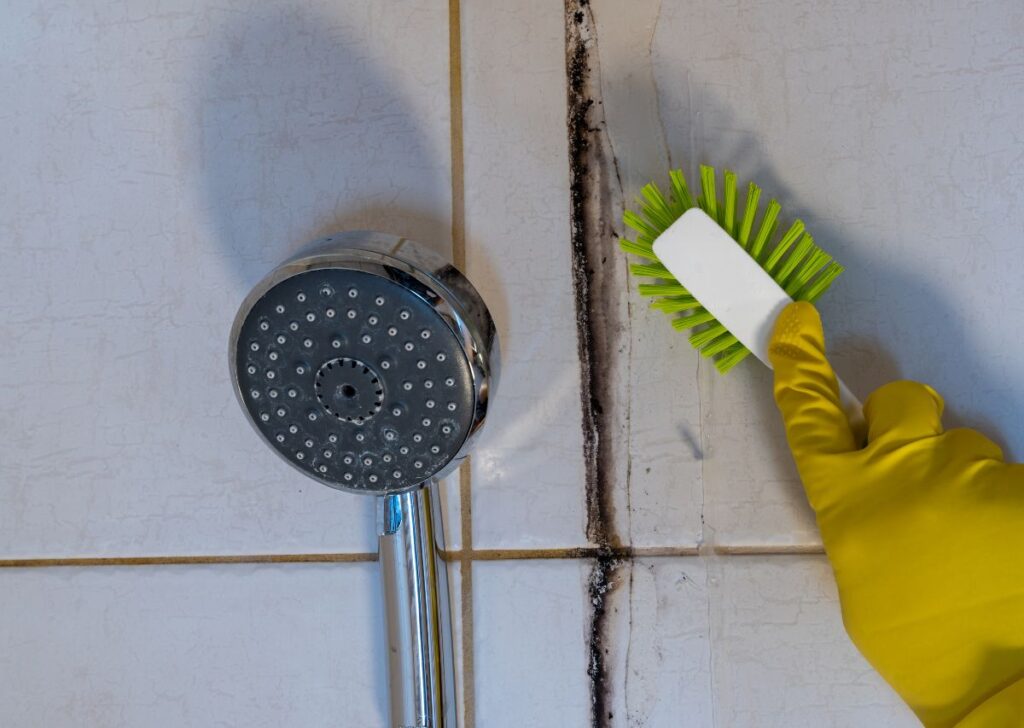
Mold can begin to grow within twenty four to forty eight hours of a moisture event. This is why addressing water damage is a race against the clock to maintain a healthy indoor environment. Applying specialized antimicrobial solutions to the affected surfaces inhibits fungal growth while the drying process is underway.
If mold has already established itself, the restoration process becomes significantly more complex and expensive. It is always better to be proactive with drying and sanitizing than to deal with remediation later. Protecting your family and assets from residual biological threats is the primary goal of every high quality restoration professional.
Evaluating Structural Integrity After a Flood
Water is heavy and can exert significant pressure on basement walls and foundation slabs. Prolonged exposure to water damage can weaken support beams and cause subflooring to delaminate. A thorough inspection of the building’s skeletal structure is necessary to ensure it remains safe for occupancy after a major flood event.
Specialists often look for signs of sagging, warping, or crumbling in building materials. If a project covers a large area, such as a 3600 square foot facility, the structural assessment must be even more meticulous. Ensuring the bones of the house are dry and strong is essential before any cosmetic repairs begin.
Essential Restoration Equipment List
Submersible Pumps: These are used to remove deep standing water from basements or crawlspaces quickly and efficiently during the initial response.
Industrial Air Movers: High power fans designed to circulate air at high speeds across floors and walls to speed up the evaporation process.
LGR Dehumidifiers: These low grain refrigerant units are capable of removing large amounts of water vapor even in very cool or dry environments.
Moisture Sensors: Tools used to detect the exact moisture content inside walls and behind baseboards without having to tear everything apart first.
HEPA Vacuums: Specialized vacuums used to remove fine dust and potential mold spores from the air and surfaces during the final cleaning.
Infrared Cameras: These allow technicians to see hidden water streaks behind drywall that would be invisible to the naked eye during an inspection.
Content Management and Furniture Restoration
Your personal belongings often suffer just as much as the building itself during a leak. Managing water damage includes assessing which pieces of furniture or electronics can be saved. Moving items to a dry, climate controlled environment is the best way to prevent permanent staining and warping of wood finishes.
Documenting the condition of your assets is also a major part of the recovery process. Take photos of everything for your insurance records before items are moved or discarded. Saving your heirlooms requires a delicate touch and a fast response, emphasizing the need for professional guidance during the transition.
Navigating the Insurance Claim Process
Dealing with insurance companies can be a daunting task during a disaster. Providing a clear and detailed report of the water damage helps speed up the approval for necessary repairs. Most policies require the homeowner to take reasonable steps to prevent further damage, which includes hiring professional mitigators.
Keep a detailed log of every contractor who visits your home and every piece of equipment used. This documentation serves as proof of the work performed and the costs incurred. An organized approach to your claim ensures that you receive the maximum benefit to restore your home to its original state.
Secondary Benefits of Professional Guidance
While this guide focuses on liquid issues, it is helpful to note that many firms offer multifaceted support. Similar to an Expert Guide to Recovering from Fire Damage | CET, professional services provide a holistic view of property safety. You can explore this in detail through this fire damage restoration guide to better understand full disaster recovery. They understand how to manage various disasters and restore your property with complete precision.
Their guide covers safety, cleaning, and professional restoration steps to help you recover quickly from any catastrophic event. Having a partner who understands the relationship between different types of property loss is invaluable. This expertise ensures that no hidden issue, like smoke residue or moisture, is ever left behind.
Final Inspection and Moving Back In
The restoration journey ends with a final verification that all materials have reached their dry standard. Once the equipment is removed, the property should be clean, dry, and free of any musty odors. Checking for any lingering water damage ensures that the reconstruction phase can proceed with a perfectly stable foundation.
Restoring your home is about more than just dry walls; it is about reclaiming your peace of mind. By following a strict protocol and using professional tools, you can ensure your living space is healthy and secure. With the water gone and the structure dry, you can finally enjoy the comfort of your home again. To get started, explore complete restoration services tailored to your needs.
Elite Structural Drying and Restoration Care
CET brings a trusted heritage of excellence to every emergency. Our team provides water extraction, smoke deodorization, and full structural repair services. We utilize advanced thermal technology for projects up to 3600 units to ensure safety. Visit https://classicet.com/ or email info@classicet.com and call (224) 899-2707 to let us dry out your worries today.
Frequently Asked Questions
The drying process usually takes between three and five days depending on the materials involved. Highly porous surfaces like thick wood or concrete might take longer to reach a safe moisture level. A professional will use specialized meters to verify that everything is dry before the equipment is removed.
Yes, carpets can often be saved if the liquid was clean and the extraction began within twenty four hours. However, the padding underneath usually acts like a sponge and must be replaced to prevent mold. Professional drying is required to ensure the subfloor is also dry before the new padding is installed.
A musty odor is a sign that bacteria or mold is beginning to grow in the damp environment. These organisms thrive in high humidity and dark spaces like wall cavities. Addressing the water damage and using antimicrobial treatments is the only way to neutralize the scent and stop the growth at its source.
Standard ceiling fans do not move enough air at a high enough velocity to effectively dry structural materials. While they might help dry the surface of a rug, they cannot pull moisture out of the drywall or flooring. Industrial air movers are required to create the specific airflow needed for deep drying.
Most standard policies cover sudden and accidental water damage like a burst pipe or a failing appliance. However, damage caused by lack of maintenance or rising flood waters often requires separate coverage. You should contact your agent immediately to confirm your specific policy details and your deductible.