Finding mold in bathroom environments is a frustrating reality for many property owners due to the high humidity levels found in these spaces. Steam from showers provides the constant moisture necessary for fungal spores to settle and expand across various porous surfaces. Taking immediate action is the best way to prevent extensive property damage, and learning from a trusted provider like professional property restoration experts can help you stay ahead of costly issues.
Resolve your dampness issues by speaking with our remediation specialists at (224) 899-2707 to ensure your family remains safe from spores.
Visible patches of dark growth are often just the tip of the iceberg when it comes to an infestation. Fungi can thrive behind drywall or under floorboards where moisture lingers long after a bath is finished. Regular inspections are necessary to catch these hidden colonies before they compromise the integrity of your home.
Send a detailed description of your fungal concerns to info@classicet.com to receive expert guidance on restoring your home to a pristine state.
Understanding Fungal Growth Patterns
Microscopic spores are always present in the air, but they only become a problem when they find a wet surface. The bathroom is a prime target because it often lacks the airflow needed to dry out completely between uses. Once a colony establishes itself, it can double in size within just forty eight hours.
Certain materials like drywall and wood provide the organic nutrients that fungi need to survive and thrive. When moisture penetrates these materials, it creates a deep rooted problem that surface cleaning alone cannot solve. Understanding these patterns helps you recognize when a simple wipe down is insufficient for total removal.
Identifying the Warning Signs
A persistent musty odor is often the first indicator that you have a problem with mold in bathroom areas. This scent is produced by volatile organic compounds released during the active growth phase of the fungus. If the smell remains after a deep cleaning, the source is likely hidden from view.
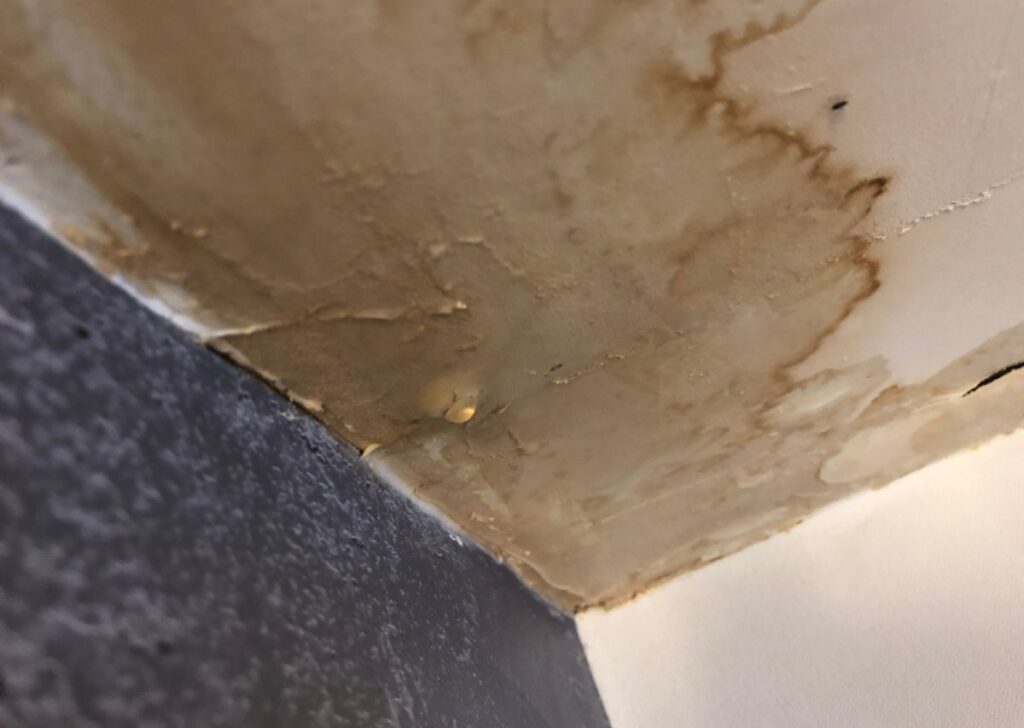
You might also notice bubbling paint or peeling wallpaper, which suggests that water is trapped against the wall. These physical changes in your decor are clear signals that moisture is fueling a colony behind the surface. Vigilance in spotting these subtle changes can save you from a major restoration project later.
Health Implications of Indoor Growth
Inhaling spores can trigger various respiratory responses, especially in children, the elderly, or those with existing allergies. Common symptoms include persistent sneezing, red eyes, and skin rashes that appear whenever you spend time in the affected room. Maintaining a clean environment is crucial for the overall wellness of your household.
Long term exposure to a damp environment can lead to more serious health complications over time. Removing mold in bathroom spaces is not just about aesthetics; it is a vital step in protecting your indoor air quality. Ensuring your home is free from these contaminants provides peace of mind for everyone.
Common Areas for Infestation
The shower curtain and plastic liners are frequent hotspots for pink or black growth because they stay wet for hours. Because these items are in direct contact with water, they require regular laundering or replacement to stay clean. Failing to dry these items properly allows colonies to spread to the nearby walls.
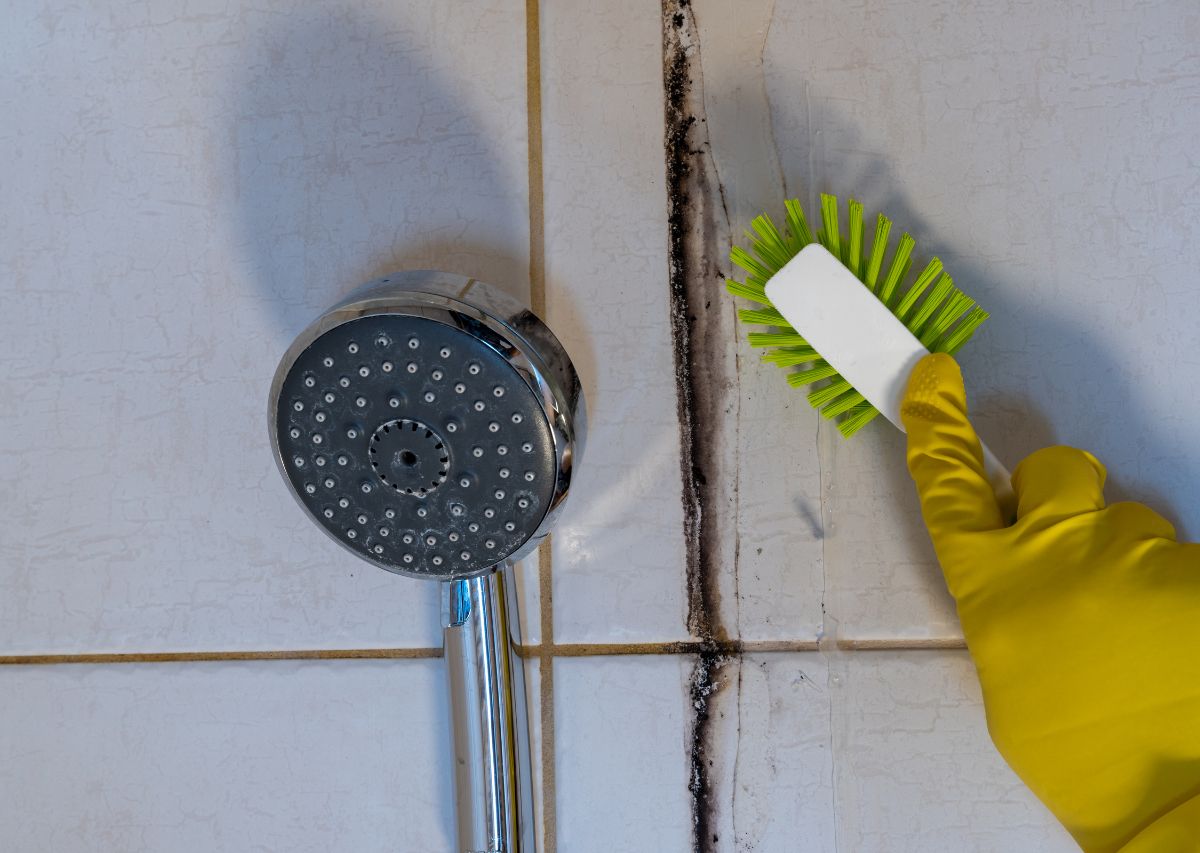
Grout lines are particularly vulnerable because their porous nature traps soap scum and skin cells, which serve as food. Once the fungus penetrates the grout, it can move behind the tiles and begin rotting the structural backing. This often necessitates a complete tear out of the shower area to fix properly.
Proper Ventilation Techniques
Installing a high quality exhaust fan is the most effective way to manage the humidity that leads to mold in bathroom growth. The fan should be powerful enough to clear the air within minutes of finishing a hot shower or bath. Ensuring the vent leads directly outside rather than into the attic is essential.
Leave the door or window open slightly after use to encourage cross ventilation and faster drying of all surfaces. This simple habit significantly reduces the time that moisture sits on your walls and fixtures. Consistent airflow is your best defense against the return of any unwanted fungal colonies in your home.
Structural Hazards of Dampness
Water that seeps through cracked caulk can eventually rot the wooden studs that hold up your bathroom walls. Over time, this weakens the building and can lead to sagging floors or collapsed ceilings in extreme cases. Addressing mold in bathroom structures early prevents these dangerous and expensive architectural failures from occurring.
Subfloors are also at risk if water pools around the base of the toilet or the bathtub regularly. If you notice a soft spot in the floor, it is likely that decay has already begun underneath. Prompt repairs are the only way to ensure the safety and longevity of your property.
Effective Cleaning Procedures
Using a specialized antimicrobial cleaner is far more effective than using standard household bleach for long term results. These professional grade solutions are designed to penetrate porous surfaces and kill the fungus at its root system. Always wear protective gear like gloves and a respirator when scrubbing these areas yourself.
Be sure to scrub several inches beyond the visible growth to ensure you capture any invisible spores nearby. This prevents the colony from simply reappearing a few inches away after you finish your cleaning session. Thoroughness is the key to successfully managing small patches of growth before they expand. For larger or recurring problems, consider comprehensive mold remediation services to ensure complete removal and prevention.
Preventive Maintenance Tips
Daily and Routine Actions
- Wipe down shower walls with a squeegee after every use to remove standing water.
- Repair leaky faucets and dripping showerheads immediately to keep the room dry.
- Check the caulking around tubs and sinks every six months for cracks or gaps.
- Wash bath mats and towels frequently to prevent them from harboring spores.
Professional Remediation Benefits
When the affected area exceeds 1500 square inches, it is time to call in the experts for safe removal. Professionals use containment zones and negative air pressure to ensure that spores do not drift into other rooms. This level of precision is necessary for large scale infestations that threaten the entire house.
Specialized equipment like HEPA vacuums and industrial dehumidifiers are used to ensure the space is truly dry and clean. Experts can also perform moisture mapping to find the exact source of a leak that is fueling the growth. Investing in professional help ensures the problem is solved correctly the first time.
Choosing Moisture Resistant Materials
During a remodel, selecting materials like porcelain tile and mold resistant drywall can offer superior protection. These products are engineered to withstand high humidity environments without providing a food source for fungal growth. Smart material choices can significantly reduce the amount of maintenance required in your home over the years.
Apply a high quality sealer to your grout lines every year to prevent water from soaking into the surface. This creates a waterproof barrier that makes cleaning easier and blocks spores from finding a home. Taking these extra steps during and after construction keeps your bathroom looking brand new.
The Role of Dehumidifiers
In homes with poor natural ventilation, a portable dehumidifier can be an excellent tool for controlling the ambient air moisture. Setting the device to maintain a humidity level below fifty percent makes it nearly impossible for fungi to grow. This is especially helpful during the humid summer months when the air is thick.
Place the unit in a central location where it can pull moisture from the air effectively throughout the day. Regularly emptying the water reservoir or using a continuous drain hose ensures the machine stays running efficiently. Technology can be a powerful ally in your fight to keep your home healthy.
Final Restoration Steps
Once the growth has been removed and the moisture source fixed, the final step is to restore the finish. This may involve replacing damaged drywall, repainting with antimicrobial paint, or installing new tiles and grout. These finishing touches not only look great but also provide an extra layer of protection.
Ensure all new materials are completely dry before applying paint or sealant to avoid trapping moisture inside. Taking the time to do the job right prevents the cycle of growth from starting all over again. Your bathroom should be a clean sanctuary where you can relax without worrying about hidden hazards. For deeper insights into structural recovery after severe damage, explore this fire damage restoration guide and recovery process to better understand full-scale restoration standards.
Professional Fungal Remediation and Drying
CET provides a legacy of excellence in restoration by delivering comprehensive moisture control and remediation. Our certified technicians specialize in structural drying, professional cleaning, and air quality testing. We distinguish ourselves by using thermal imaging to locate hidden water leaks that feed fungal colonies. Ensure your property stays healthy by letting our specialists handle the sanitization of your environment today.
Contact: info@classicet.com | (224) 899-2707
Frequently Asked Questions
The duration of the process depends on the severity of the growth and the amount of structural drying required. Most small projects are completed within two to three days while larger infestations may take longer. We work diligently to ensure your home is safe and clean as quickly as possible.
Vinegar is a mild acid that can kill some fungal species on nonporous surfaces but it is often not strong enough for deep infestations. It may fail to reach the roots inside drywall or grout lines. Using professional grade antimicrobial solutions is the most reliable way to ensure the fungus dies.
We use advanced containment methods and high efficiency air scrubbers to keep the rest of your home pristine during the work. This allows most residents to remain in their homes while the bathroom is being treated. Our priority is maintaining a safe environment for your family through the process.
Scrubbing only removes the visible portion of the colony while the roots remain deep within the surface. If you do not also fix the moisture problem or use a professional cleaner the growth will return quickly. Total elimination requires addressing the humidity and using the right chemical agents.
Coverage often depends on the specific cause of the moisture such as a sudden pipe burst versus long term neglect. Many policies include limits on fungal remediation so it is important to review your documents. We can help provide the necessary documentation to assist with your claims process.