When homeowners begin a renovation project in an older property, they often discover a pebble like substance known as attic insulation vermiculite beneath their floorboards. This material was widely used throughout the twentieth century due to its fire resistant properties and ease of installation. However, it is vital to understand the potential health risks associated with this specific type of insulation before you disturb it during any home improvement task. If you are unsure how to proceed, consulting professional insulation services can help ensure safety from the very beginning.
The Origins of Vermiculite Insulation
Vermiculite is a naturally occurring mineral that expands significantly when heated to high temperatures. This expansion process creates a lightweight and aerated material that is excellent for trapping heat. For decades, it was considered a premier choice for residential thermal protection because it could be easily poured into joist spaces and tight corners without specialized mechanical equipment.
A vast majority of the attic insulation vermiculite sold in North America originated from a single mine that contained a natural deposit of asbestos. As the vermiculite was extracted, it became cross contaminated with tremolite asbestos fibers. This means that if your home contains this material, there is a statistically high probability that it also contains hazardous asbestos particles.
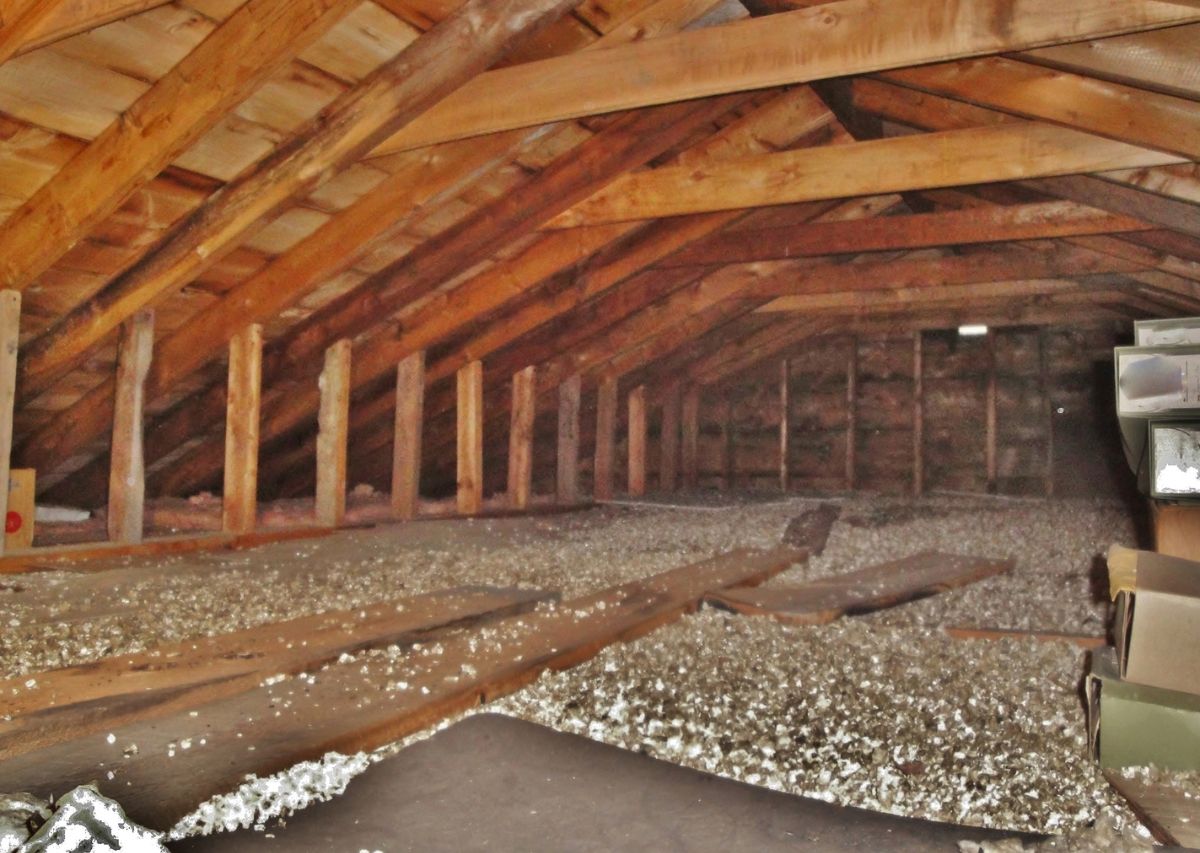
Because the asbestos is often microscopic and mixed thoroughly with the mineral flakes, you cannot determine the safety of the material by sight alone. It typically appears as small, shiny, accordion like granules that range in color from silver gold to a dull reddish brown. Recognizing these physical characteristics is the first step toward maintaining a safe and healthy home environment.
Identifying the Risks of Disturbance
The primary danger of attic insulation vermiculite occurs when the material is agitated or moved. As long as the granules remain undisturbed and sealed behind walls or under flooring, the risk of fiber inhalation is generally considered low. However, common activities like sweeping, installing light fixtures, or moving storage boxes can release harmful dust into the air.
Once asbestos fibers are airborne, they can be easily inhaled and become lodged in the lining of the lungs. Over many years, these fibers cause inflammation and scarring that can lead to serious respiratory conditions. This is why it is strictly recommended that homeowners never attempt to vacuum or remove this type of insulation without professional assistance and specialized filtration.
If you discover attic insulation vermiculite in your home, the safest course of action is to limit access to the area immediately. Close any gaps in the ceiling and ensure that the attic hatch is sealed tightly with weather stripping or plastic sheeting. Taking these proactive steps prevents the migration of dust into your primary living spaces during daily activities.
Professional Testing and Assessment
Determining if your specific attic insulation vermiculite contains asbestos requires a sophisticated laboratory analysis. A professional inspector will collect samples from multiple locations within the attic to ensure a representative result. Because asbestos is not distributed evenly throughout the material, a single sample is often insufficient to guarantee that the entire area is safe.
During the sampling process, technicians use specialized respirators and protective clothing to avoid personal exposure. They also use a fine mist of water to dampen the material, which prevents dust from rising while they work. This meticulous approach ensures that the testing process itself does not inadvertently contaminate the rest of your residential property.
The results of these tests will provide a clear path forward for your home maintenance strategy. If the material is found to be contaminated, you will need to follow strict regulatory guidelines for its management or removal. Working with experienced environmental insulation specialists ensures that every step is handled with precision and compliance.
Safe Management Practices
- Avoid using the attic for storage if you have confirmed or suspected attic insulation vermiculite present.
- Never use a standard household vacuum cleaner to pick up stray granules as this will spread fibers throughout the air.
- Do not allow children to play in areas where the insulation is exposed or accessible through open wall cavities.
- Ensure that any contractors working in your home are fully aware of the material before they begin electrical or plumbing repairs.
- Keep the humidity levels in your home consistent to prevent the material from becoming overly dry and brittle.
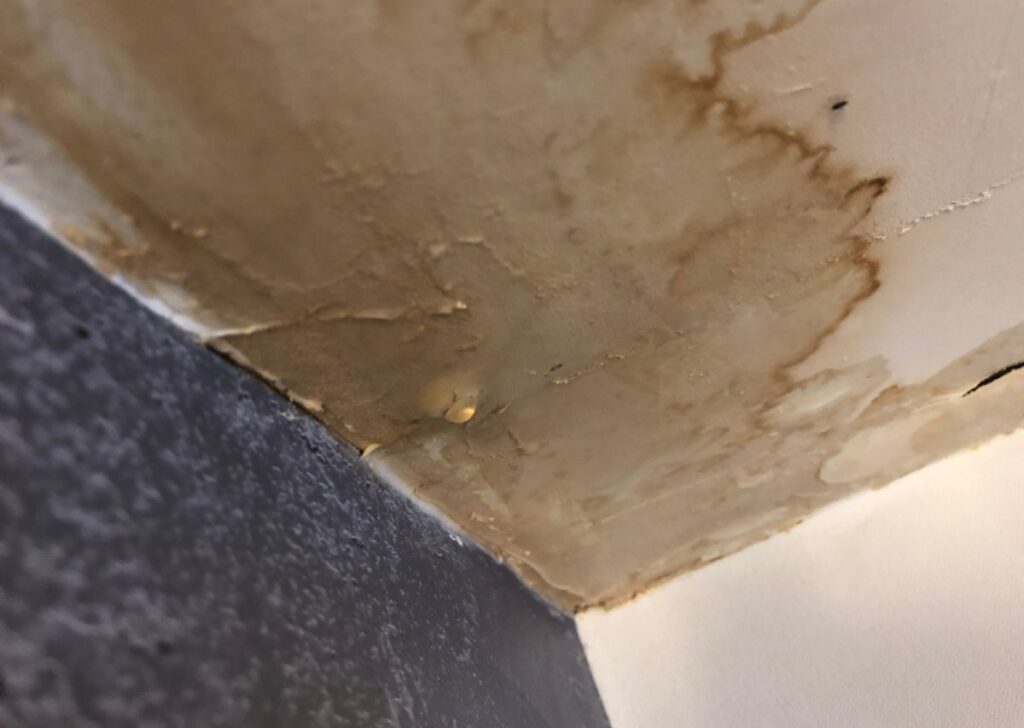
- Monitor the ceiling for any new cracks or water damage that could cause the insulation to spill into the rooms below.
The Professional Removal Process
When a homeowner decides to eliminate the risk entirely, they must hire a certified abatement team for the removal of attic insulation vermiculite. This process involves the construction of a high density plastic containment zone around the work area. Negative air machines equipped with medical grade filters are used to ensure that no dust escapes the containment.
The team will use high powered industrial vacuums designed specifically for hazardous materials to extract every granule from the attic floor. This equipment is much more powerful than a unit found in retail stores and is capable of reaching deep into crevices. After the bulk of the material is gone, the area is meticulously cleaned using wet wiping techniques.
Once the removal is complete, a final air clearance test is conducted by an independent laboratory to verify the safety of the space. This ensures that the environment is completely free of airborne fibers before the containment is removed. Only after this verification can you safely proceed with installing modern, high efficiency insulation in your newly cleaned attic.
Modern Insulation Alternatives
Once the attic insulation vermiculite has been safely removed, you have the opportunity to upgrade to superior thermal materials. Cellulose and fiberglass blown in insulation are popular choices that provide much higher r values than older minerals. These modern products are specifically engineered to be fire retardant and resistant to moisture or mold growth.
Another excellent option is spray foam insulation, which provides both thermal resistance and an effective air seal. This helps to eliminate drafts and significantly reduces your monthly energy costs by keeping your HVAC system from working too hard. Modern materials also help to dampen outdoor noise, creating a much quieter and more comfortable indoor atmosphere.
Upgrading your insulation is one of the most cost effective ways to increase the overall value of your home. Potential buyers are often wary of properties with older hazardous materials, so having a certified clean attic is a major selling point. It provides peace of mind that the home is not only energy efficient but also safe for long term occupancy.
Long Term Health Considerations
Living in a home with attic insulation vermiculite requires a commitment to ongoing vigilance and awareness. If you choose to leave the material in place, you must ensure that it remains completely encapsulated and undisturbed. Regular inspections of the attic seal and the condition of the ceiling are necessary to prevent accidental exposure over time.
Educating everyone in your household about the appearance and location of the insulation is a key safety measure. Everyone should know that the attic is a restricted area that requires special precautions before entry. This collective awareness is the best defense against the accidental release of harmful fibers into the domestic environment.
If you suspect that you have been exposed to dust from older insulation, it is wise to consult with a medical professional. They can provide guidance on respiratory health and monitor for any changes over the years. However, the best way to manage health risks is to prevent exposure from occurring in the first place through proper identification.
Legal and Disclosure Requirements
In many regions, the presence of attic insulation vermiculite must be disclosed to potential buyers during a real estate transaction. Failing to report this known material can lead to legal complications and delays in the closing process. Having professional documentation of testing or removal on hand simplifies the sale and builds trust with the buyer.
Insurance companies may also have specific requirements or premiums associated with older insulation types. Some providers may request proof of professional abatement before they will offer full coverage for certain types of damage. It is important to review your policy and understand how the presence of vermiculite might affect your household protection.
Maintaining a file of all laboratory results, removal certificates, and air clearance reports is highly recommended. These documents serve as a permanent record of the environmental health of your property. They are invaluable for future renovations, insurance claims, or the eventual resale of your home in the competitive real estate market.
Protecting Your Family and Future
The discovery of attic insulation vermiculite does not have to be a source of constant stress if you have a plan. By understanding the science behind the mineral and the history of its use, you can manage the situation with confidence. Knowledge is your most effective tool for keeping your home environment stable and safe.
Whether you choose to manage the material in place or opt for professional removal, the goal is always the same. Creating a residence that is free from environmental hazards is a fundamental part of responsible homeownership. Your proactive approach today ensures a healthier living space for your family for many years to come.
Secure Your Home With Expert Insulation Solutions
Maintaining the safety and efficiency of your property requires a partner who understands the technical details of older building materials. Our team provides the professional insight needed to navigate the complexities of residential insulation and environmental health. We are committed to helping you achieve a comfortable and secure home environment through expert assessment.
For more information about your home insulation or to discuss a project, contact CET at (224) 899-2707 or email info@classicet.com today. Our dedicated staff is ready to answer your questions and provide the guidance you need for a safer residence. Trust our trusted insulation experts to help you make the best decisions for your property and your family’s long term well being.
Frequently Asked Questions
Attic insulation vermiculite typically looks like small, pebble like flakes that are gray, silver, or gold in color. It has a distinctive accordion like texture because it was expanded with high heat during the manufacturing process. If you see this material, you should treat it as hazardous until it is professionally tested.
While not every single mine produced contaminated minerals, a massive percentage of attic insulation vermiculite used in older homes came from the Libby mine in Montana. This mine was naturally contaminated with tremolite asbestos. Because of this high correlation, experts recommend treating all loose fill vermiculite as if it contains asbestos.
You should never attempt to remove attic insulation vermiculite yourself using any type of vacuum or broom. Standard vacuums are not equipped with the proper filtration to catch microscopic asbestos fibers, meaning they will blow the dangerous dust into the air. Only professionals with specialized 390 rated equipment should handle removal.
If you find suspected attic insulation vermiculite, the first step is to leave it alone and stop all activity in that area. Seal the attic door to prevent air movement and contact a professional to schedule a lab test. Do not store items on top of it or attempt to cover it with new insulation.
Having attic insulation vermiculite can decrease your home value because many buyers view it as a significant liability and a health risk. It often leads to difficult negotiations or requests for expensive abatement before a sale can be finalized. Removing it and upgrading to modern materials is generally considered a wise investment.