Modern society relies heavily on electronic devices and wireless communication systems for daily tasks. Many people have started to wonder, are emfs dangerous to our long term health and well being? This question is central to ongoing scientific research and public health discussions as our environment becomes increasingly saturated with invisible energy. For those seeking clarity and solutions, exploring professional electromagnetic field services can provide valuable insights into managing exposure effectively.
Electromagnetic fields are invisible areas of energy often referred to as radiation that are associated with the use of electrical power and various forms of natural and manmade lighting. While these fields occur naturally in the earth, the proliferation of modern technology has introduced higher levels of artificial exposure into our lives.
When evaluating if these fields pose a risk, it is essential to distinguish between ionizing and non ionizing radiation. Ionizing radiation has enough energy to remove electrons from atoms, whereas non ionizing radiation, like that found in most household electronics, generally has much lower energy levels and less impact.
The Science of Electromagnetic Fields
To understand the risks, we must look at how electromagnetic energy interacts with biological tissues at a cellular level. Most common devices emit low frequency waves that do not immediately damage DNA like high energy X rays do. However, some researchers focus on potential thermal and non thermal effects.
The 480 frequency range and other specific spectral measurements are often analyzed in industrial and commercial settings to ensure equipment operates safely. Maintaining a balanced environment requires understanding how these different frequencies overlap and contribute to the total electromagnetic load that an individual might experience during their day.
Regulatory bodies have established guidelines to limit exposure to these fields based on known biological interactions. These standards are designed to prevent acute effects like nerve stimulation or tissue heating. Public concern remains high because many believe that current safety thresholds might not account for cumulative exposure.
Residential Exposure and Daily Life
Inside a typical home, sources of electromagnetic fields include everything from microwave ovens and hair dryers to smart meters and wireless routers. Because we spend so much time in our residences, the question of whether these fields are harmful becomes a very personal concern for many homeowners.
While a single device might not emit a significant amount of energy, the combined effect of multiple appliances can be a point of interest for safety professionals. Most experts suggest maintaining a reasonable distance from high power sources to naturally reduce the density of the field near your body.
Shielding technologies and strategic furniture placement can also play a role in managing your home environment effectively. By moving a bed away from a wall that shares space with a large electrical panel, you can significantly lower the levels of energy present in your primary sleeping area.
Workplace Safety and Industrial Standards
In the workplace, especially in industrial environments, the intensity of electromagnetic fields can be much higher than in a residential setting. Large motors, heavy machinery, and complex electrical distribution systems create substantial energy fields that require careful monitoring to ensure all employees remain protected and healthy.
Safety officers often use specialized equipment to measure the strength of these fields around high voltage installations. Systems operating at 480 volts or higher are common in manufacturing and require specific safety protocols to prevent interference with medical devices like pacemakers or other sensitive electronic monitoring tools.
Training employees to recognize potential sources of high exposure is a critical component of a modern occupational health program. By understanding the physics of energy dissipation, workers can take simple steps to minimize their time spent in close proximity to the most powerful sources of radiation.
Long Term Health Considerations
The debate regarding long term exposure often centers on subtle biological changes that might occur over several decades. Scientists are looking for links between chronic low level exposure and various health outcomes, though definitive evidence remains elusive in many large scale epidemiological studies conducted by global organizations.
Some individuals report a sensitivity to these fields, experiencing symptoms like headaches, fatigue, or sleep disturbances when near electronic equipment. While this condition is not universally recognized as a medical diagnosis, it highlights the need for continued research into how individuals perceive and react to energy.
Precautionary measures are often recommended by health advocates who believe it is better to be safe while the science matures. This approach involves reducing unnecessary exposure through simple lifestyle changes, such as turning off wireless equipment at night or using wired connections for stationary computer workstations.
Technological Advancements and Future Trends
As we move toward a more connected world with the rollout of advanced telecommunications, the density of our electromagnetic environment will likely increase. New frequencies are being utilized to provide faster data speeds and more reliable connections for the billions of devices now part of the internet.
Engineers are working to make these technologies more efficient, which often results in lower power requirements and reduced stray energy. By focusing on directional signals and smart power management, the industry aims to provide the benefits of connectivity while keeping environmental energy levels as low as possible.
Monitoring the evolution of these technologies is essential for maintaining public trust and safety. As new data becomes available, safety standards are periodically reviewed and updated to reflect the latest understanding of how high-frequency waves interact with the human body and the surrounding environment.
Securing Your Environment for Peace of Mind
Achieving a sense of security in a high tech world involves staying informed and taking proactive steps to manage your surroundings. Knowledge is the most powerful tool for addressing fears about whether modern conveniences might be causing hidden harm to you or your family members.
Professional assessments can provide clarity by identifying the exact levels of energy present in your living or working space. Once you have hard data, you can make informed decisions about which areas require mitigation and which areas are already well within the recommended safety limits.
Common Misconceptions and Clarifications
There are many myths circulating online that can cause unnecessary alarm regarding electronic safety. It is important to rely on verified technical information rather than anecdotal evidence when deciding if a particular technology poses a legitimate threat to your household or your personal health.
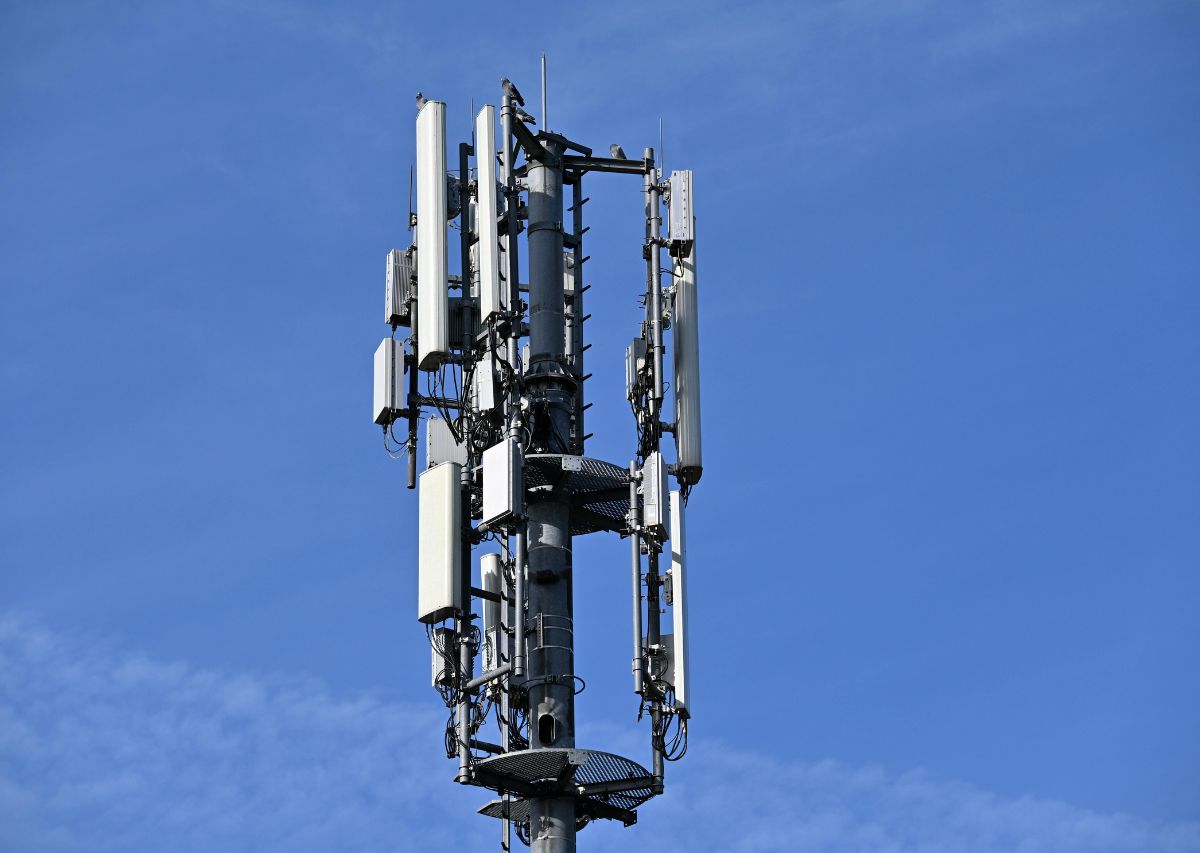
For instance, many people fear that cell towers are the primary source of exposure, while in reality, the devices held directly against the body often contribute a much higher dose of energy. Understanding the inverse square law helps explain why distance is such an effective protector against radiation.
Education helps bridge the gap between scientific complexity and public understanding. By breaking down the components of electromagnetic theory into manageable concepts, we can foster a more rational conversation about how to live safely alongside the powerful electrical forces that drive our modern civilization. Working with experienced electrical safety professionals can further enhance your understanding and ensure accurate assessments.
Professional Guidance for Electrical Health
Seeking expert advice is often the best path for those who want a comprehensive understanding of their unique situation. Electrical professionals have the tools and experience to navigate the complexities of field theory and provide practical solutions tailored to specific architectural or industrial layouts.
By performing detailed site surveys, experts can map out energy zones and identify anomalies that might go unnoticed by the untrained eye. This level of detail is especially important for businesses that operate high power equipment or for homeowners living near major utility infrastructure.
Ultimately, the goal is to create an environment where technology serves human needs without compromising safety. Through careful planning, regular maintenance, and a commitment to following established safety guidelines, it is entirely possible to enjoy the modern world while minimizing any potential risks.
Proactive Measures for Better Living
- Keep electronic devices like smartphones and tablets away from your sleeping area to ensure your body has a rest period free from close range electromagnetic signals.
- Utilize wired internet connections whenever possible to reduce the reliance on wireless routers that broadcast energy throughout your entire home or office space.
- Maintain a safe distance from large appliances while they are in operation, especially those with high power requirements or large internal motors like refrigerators.
- Ensure that all electrical wiring in your building is properly grounded and meets current safety codes to prevent unnecessary energy leakage and magnetic field spikes.
Enhancing Safety Through Awareness
Creating a culture of safety involves sharing information and encouraging others to think about their relationship with technology. When communities are aware of how energy works, they can advocate for smarter infrastructure placement and better product designs that prioritize the long term health of users.
Small changes in daily habits can lead to a significant reduction in total annual exposure. Choosing to use a speakerphone instead of holding a device to your ear or opting for manual versions of some household tools are easy ways to lower your electromagnetic footprint.
As we look to the future, the integration of safety and technology will continue to be a primary focus for designers and health professionals alike. By staying curious and vigilant, we can ensure that our progress remains sustainable and that our living spaces remain healthy sanctuaries.
Empowering Your Health Choices with Expert Support
Do you want to ensure your home or office is a sanctuary of electrical safety? The team at CET provides specialized knowledge to help you understand your environment. Reach out to us at info@classicet.com or call (224) 899-2707 for professional guidance tailored to your specific needs. Trust the trusted electrical safety experts at CET to help you achieve total peace of mind in this high tech world.
Frequently Asked Questions
Scientific consensus suggests that low level exposure from household devices is generally safe for most people. However, some studies continue to investigate potential long term effects of chronic exposure. Maintaining a safe distance from high power sources is a recommended precaution for those concerned.
You can lower exposure by keeping electronic devices out of the bedroom and using wired connections for internet access. Additionally, staying several feet away from operating appliances like microwaves helps. Simple habits like using a speakerphone also significantly reduce the intensity of energy near the head.
Magnetic fields near high voltage lines can be stronger than those from small appliances, but intensity drops quickly with distance. Most homes are located far enough away to stay within safety limits. If you live very close to utility infrastructure, a professional measurement can provide specific peace of mind.
Everyday sources include cell phones, wireless routers, microwave ovens, and electrical panels. In industrial settings, large motors and distribution systems are major contributors. Understanding where these sources are located allows you to manage your time and distance effectively to keep your total exposure at a minimum.
Children are often considered more sensitive because their bodies are still developing and they have thinner skulls. Many parents choose to limit a child’s use of wireless devices as a proactive measure. Creating a low energy environment in nurseries and play areas is a popular choice for families.