Understanding safe EMF levels for humans starts with knowing what electromagnetic fields are and how they interact with your body. International expert groups publish exposure limits to protect the public from confirmed health effects at high field strengths, while everyday exposures usually remain far below these thresholds. Organizations such as Classic Environmental Testing help property owners and businesses make sense of environmental data by providing objective testing and clear interpretation.
What EMFs Are and Why They Matter
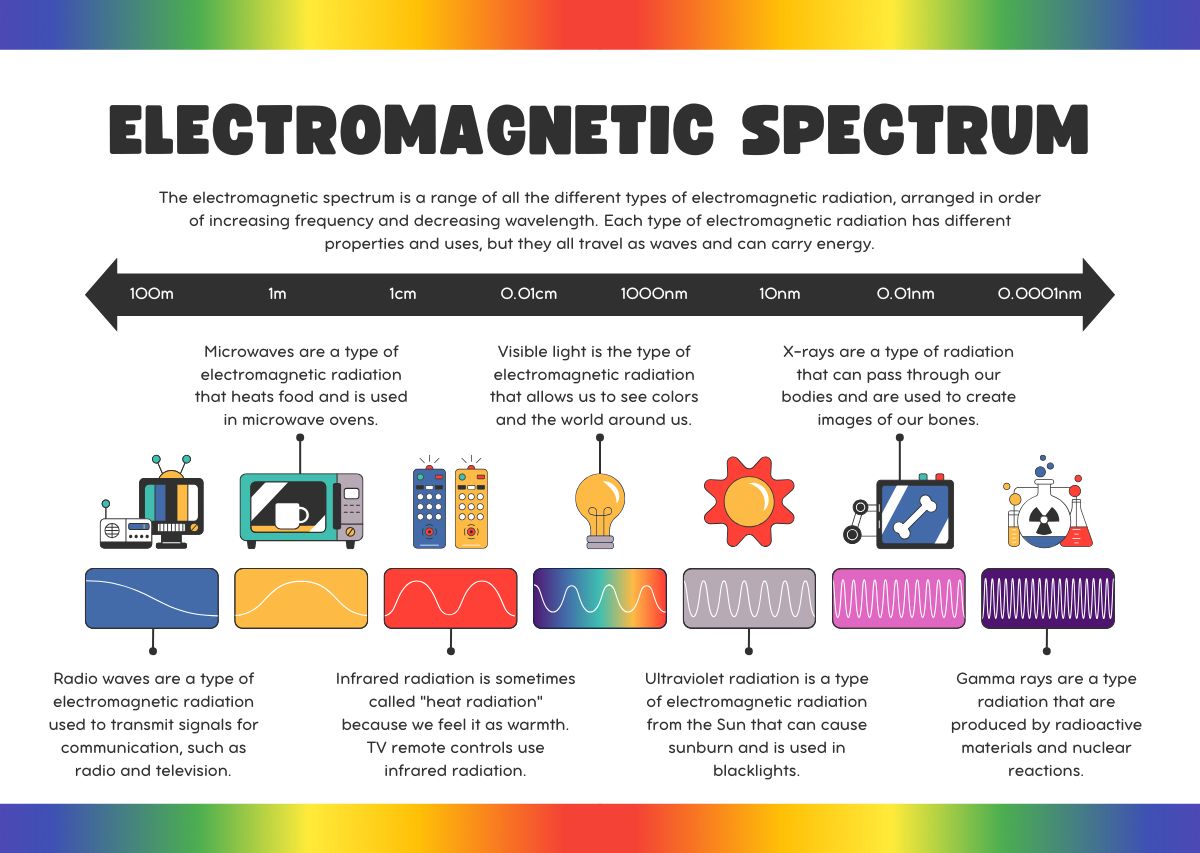
Electromagnetic fields arise whenever electric current flows, from power lines and wiring to wireless routers and mobile devices. These fields exist across a spectrum of frequencies, from extremely low frequency electricity to high frequency radio signals used for communication and data transfer.
Your body is constantly surrounded by EMFs at varying strengths, but not every exposure carries the same risk. Safety guidelines focus on preventing tissue heating or nerve stimulation at high levels, while ongoing research examines whether long-term low-level exposure produces subtler health effects.
How Experts Define Safe EMF Levels
To define safe EMF levels for humans, scientists look for exposure thresholds where well-documented biological effects begin to appear, then apply large safety factors below those points for the general public. This process produces conservative limits that stay far under any levels known to cause harm.
Public exposure guidelines distinguish between occupational settings and everyday environments, recognizing that workers may encounter stronger fields for limited periods. For the general population, recommended reference levels are many times lower than the thresholds where measurable heating or nerve effects are consistently observed in laboratory studies.
These limits are updated periodically as new research emerges, but the overall approach is intentionally cautious. Regulators prefer to err on the side of protection, especially for children and other potentially sensitive groups.
Health Research on EMF Exposure
Large reviews of existing studies have not established a clear causal link between typical low-level EMF exposure from household and office sources and serious diseases in the general public. Many reported associations weaken or disappear when researchers control for bias and confounding factors.
At higher intensities, however, EMFs can cause tissue heating or nerve stimulation, which is why exposure limits focus on these proven mechanisms. Safety standards aim to keep both average exposure and short-term peaks well below levels where these effects occur under realistic living and working conditions.
Some people report heightened sensitivity to EMFs, experiencing symptoms such as headaches, fatigue, or sleep disturbances near electronic devices. While current evidence does not consistently connect these symptoms to measured field strengths, a precautionary approach that reduces unnecessary exposure can still provide peace of mind.
Common EMF Sources in Daily Life
Everyday life brings you into contact with a wide range of EMF sources, each with different frequencies and field strengths. Understanding where these fields originate makes it easier to judge whether your exposure is typical, elevated, or worth assessing with professional instruments.
Typical sources include household electrical systems, appliances, Wi-Fi routers, mobile phones, computers, and nearby communication infrastructure. Even when individual devices meet safety regulations, clusters of sources in confined spaces can create localized areas with higher readings.
Examples of everyday EMF sources include:
- Household wiring, power strips, electrical panels, and extension cords carrying current during use
- Appliances such as refrigerators, induction cooktops, hairdryers, and vacuum cleaners that produce stronger fields at close range
- Wireless routers, laptops, tablets, mobile phones, and smart devices using radiofrequency signals
Reading EMF Measurements With Confidence
Many people first encounter EMF numbers through consumer meters or professional survey reports, yet units and scales can be confusing. Measurements may appear in volts per meter, microtesla, milligauss, or power density, each describing a different aspect of the field.
Context is critical. A spike near an appliance may look concerning, but professionals compare readings to exposure guidelines, meter accuracy, distance from the source, and how long a person is actually exposed.
Field strength often drops rapidly with distance, meaning readings taken inches from a device can overstate real-world exposure during normal daily activities.
Practical Ways to Keep EMF Exposure Low
For most homes and workplaces, reducing unnecessary exposure is more realistic than eliminating EMFs entirely. Small changes in layout and habits can lower cumulative exposure while still allowing normal technology use.
Helpful everyday practices include:
- Keeping routers, charging stations, and power strips away from beds and seating areas
- Avoiding prolonged contact with active phones by using speaker mode or wired headsets
- Arranging workspaces so electrical panels or dense wiring are not directly behind chairs
When Professional Environmental Testing Helps
There are situations where careful measurement is especially important, such as properties near major electrical infrastructure, commercial environments with dense equipment, or buildings with complex wiring. In these cases, relying on professional environmental testing services provides clarity that consumer meters alone cannot offer.
A comprehensive environmental assessment also considers related factors such as indoor air quality, building materials, water, and potential contaminants. Viewing EMFs within this broader environmental context leads to more balanced and informed decisions.
Classic Environmental Testing specializes in unbiased testing only, not remediation, ensuring that results and recommendations remain objective and free from conflicts of interest.
Thoughtful Guidance From Classic Environmental Testing
Classic Environmental Testing has built a reputation for precision, integrity, and fast turnaround in mold, asbestos, lead, water, and environmental assessments for both homeowners and businesses. This disciplined approach helps clients evaluate EMF concerns calmly and in proportion to other environmental factors.
If EMF readings or nearby infrastructure raise questions, a measured response is often the most effective. You can learn more about the team and their testing philosophy to understand how experienced professionals approach environmental risk with clarity and objectivity.
A clear, informed conversation can turn complex exposure concerns into confident, actionable decisions
FAQs About Safe EMF Levels For Humans
Safe EMF levels for humans are exposure ranges that sit well below thresholds where experts have observed consistent heating or nerve effects. These limits include additional safety margins to protect children and sensitive people, while recognizing that some level of EMF exposure is unavoidable in modern life.
Household EMF sources typically operate far below international public exposure guidelines, especially at the distances people usually keep from them. Short, close contact may produce higher readings near specific devices, but actual health risk depends on field strength, frequency, duration, and comparison with established safety reference levels.
An EMF meter can highlight unusually strong fields, but expert interpretation is vital. Professionals compare your readings with guidelines, consider how long people are near each source, and check for wiring faults or clustered equipment so you can distinguish between normal variation and conditions that warrant corrective action.
Children may spend more time close to electronics, and their developing bodies are often treated as a reason for extra caution. That is why public exposure limits already incorporate large safety factors. Many families simply choose practical measures like increasing distance and reducing unnecessary device time as added reassurance.
Professional help is most useful when you suspect unusually strong fields from nearby infrastructure, complex electrical setups, or sensitive work areas. A structured assessment can separate EMF concerns from other environmental issues and provide clear documentation so you can make informed choices about mitigation, property use, or future planning.