In the modern world of advanced technology and constant connectivity, many people are beginning to ask what is dirty electricity and why it matters for their electronic devices. This phenomenon refers to unusable electromagnetic energy that contaminates the standard electrical wiring in a building. It often manifests as high frequency voltage spikes that deviate from the smooth sine wave required for optimal performance. Understanding these issues early can help property owners seek professional electrical engineering services to protect their systems and ensure long-term reliability.
The Technical Foundation of Power Quality
To truly grasp what is dirty electricity, one must first understand the basics of alternating current. Standard power in North America operates at a steady sixty hertz frequency, which provides a predictable flow of energy for all your appliances. When this frequency becomes distorted by outside interference, the resulting noise is commonly referred to as electrical pollution or transients.
These distortions occur because modern electronics do not consume power in a continuous or linear fashion. Instead of taking a smooth stream of energy, many devices switch the power on and off thousands of times per second. This rapid switching creates erratic pulses that travel back into your electrical system, causing the issues that define what is dirty electricity.
While most people never see this interference, it is constantly present in the background of our daily lives. It flows through the walls of our homes, schools, and offices, radiating electromagnetic fields into the living environment. Identifying the sources of this pollution is the first step toward reclaiming a stable and clean electrical environment for your family.
Common Sources of Electrical Pollution
Identifying the culprits behind what is dirty electricity requires looking at the most common household and industrial items. Light emitting diode bulbs and compact fluorescent lamps are major contributors because they use internal converters to manage voltage. These converters are notorious for leaking high frequency noise back into the main electrical panel and the surrounding wiring.
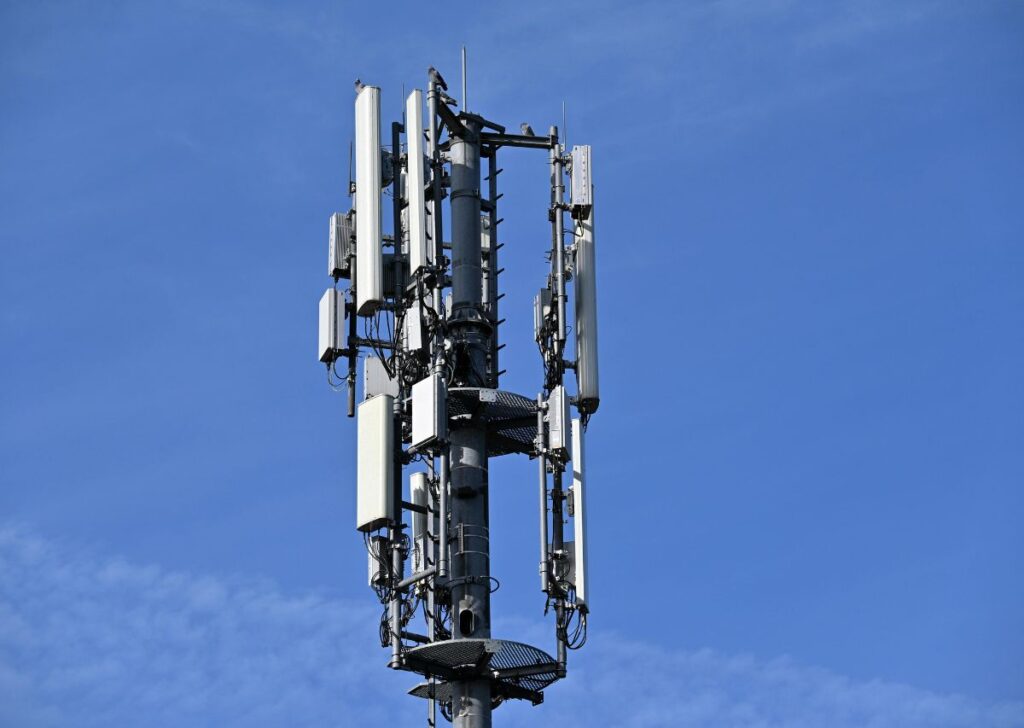
Smart meters and wireless communication devices also play a significant role in creating these erratic power signatures. These devices transmit data using bursts of energy that can interfere with the steady flow of electricity in a building. Even heavy duty industrial equipment operating at 480 volts can produce significant harmonic distortion that affects nearby residential neighborhoods or office complexes.
Switch mode power supplies, which are found in almost every computer and television, are perhaps the most frequent offenders. They are designed to be efficient by rapidly converting power, but this efficiency often comes at the cost of power quality. This constant switching is a primary reason why researchers continue to study what is dirty electricity and its long term effects.
How Dirty Electricity Affects Your Electronics
The impact of what is dirty electricity on your expensive hardware can be both subtle and devastating over time. Sensitive microprocessors in computers and smart home systems are designed to operate within very tight voltage parameters. When they are subjected to constant spikes and noise, these components can overheat or suffer from premature hardware failure.
You might notice that your light bulbs burn out much faster than their rated lifespan or that your audio equipment has a persistent hum. These are classic signs that the power quality in your building is compromised by electromagnetic interference. Unstable power can also cause digital displays to flicker or lead to mysterious software glitches that are difficult to diagnose.
By addressing the root causes of what is dirty electricity, you can extend the life of your appliances significantly. Reducing the thermal stress on internal circuits ensures that your technology operates as the manufacturer intended. Clean power is an essential requirement for maintaining the reliability of modern infrastructure in an increasingly digital and connected society.
Measuring and Monitoring Electrical Noise
If you suspect your property has issues, learning what is dirty electricity involves using specialized monitoring tools to see the invisible. Pluggable meters can detect the presence of high frequency transients on your lines and provide a numerical value of the contamination. These readings allow property owners to pinpoint which specific devices are causing the most significant interference.
Professional audits often involve using oscilloscopes to visualize the actual wave form of the electricity entering the building. A jagged or fuzzy line on the screen is a clear visual representation of what is dirty electricity looks like in real time. This data is vital for engineering a solution that filters out the noise without disrupting the power supply.
Once you have established a baseline measurement, you can begin to implement mitigation strategies to improve the environment. Monitoring the power after installing filters or surge protectors shows exactly how much the electrical pollution has been reduced. Consistent tracking ensures that new devices added to the network do not reintroduce the same problems you worked to eliminate. Working with an experienced electrical engineering team can make this process more accurate and efficient.
Mitigation Strategies for Cleaner Power
- Install high quality line filters that are specifically designed to target high frequency electromagnetic interference on the circuit.
- Replace dimmable lighting systems with standard switches to reduce the amount of switching noise generated in the walls.
- Use shielded cables for sensitive data transmission to prevent the radiation of noise from one wire to another nearby.
- Organize your electrical panel so that heavy machinery and sensitive electronics are on separate dedicated circuits whenever it is possible.
- Ensure that your home or office has a robust and properly installed grounding system to bleed off excess electrical energy safely.
- Consider using plug in filters for individual rooms where the most sensitive or frequently used electronic devices are located.
The Role of Industrial Equipment
In larger facilities, the question of what is dirty electricity takes on a more complex meaning due to massive power loads. Variable frequency drives used in HVAC systems and elevators are major sources of harmonic distortion in commercial buildings. These drives change the speed of motors by manipulating the electrical frequency, which inherently creates a lot of noise.
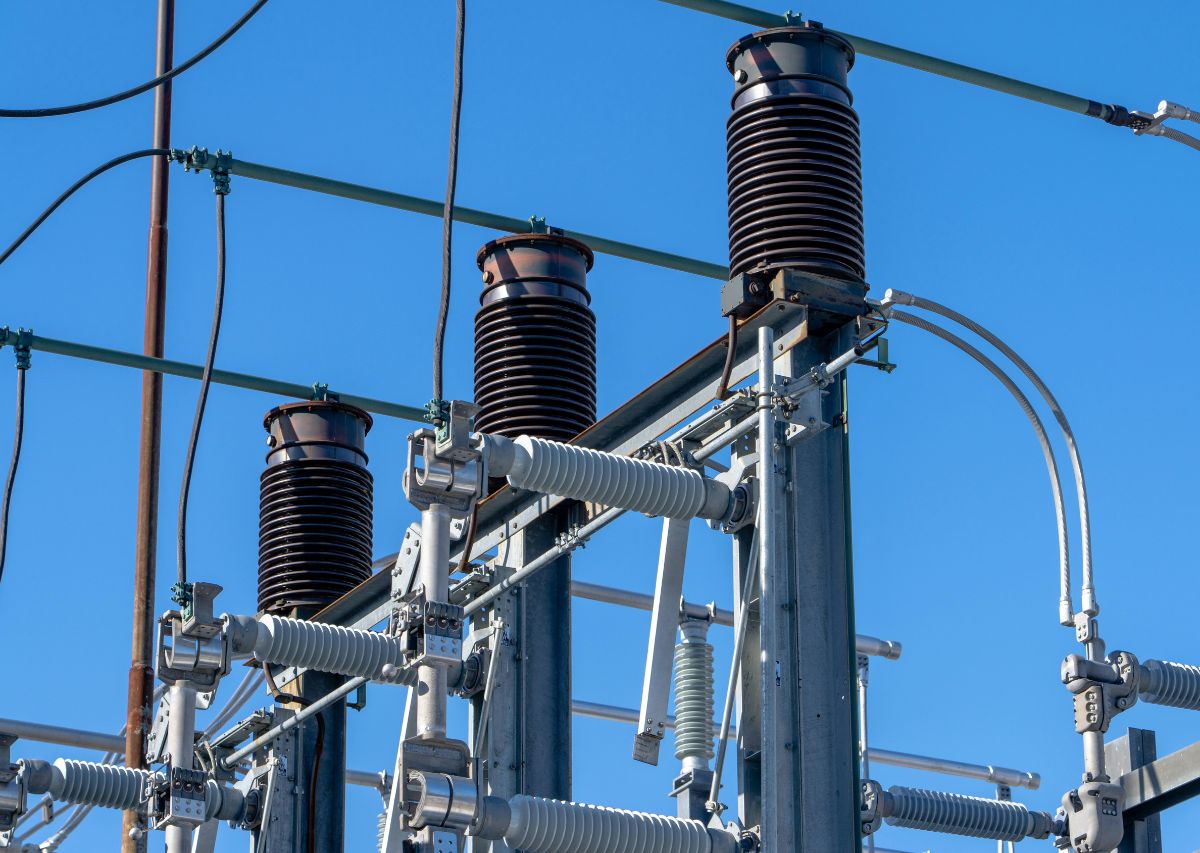
Large scale transformers and distribution systems operating at 480 volts can also propagate interference across an entire facility. This can lead to massive inefficiencies in power usage and increased operational costs for the business owner. Addressing these issues requires industrial grade filtration systems that can handle the high amperage while scrubbing the lines of unwanted transients.
When industrial noise bleeds into residential areas, it can cause widespread power quality issues for entire neighborhoods. Utility companies and private engineers work together to identify these large scale sources and implement grid level solutions. Understanding the broad scope of what is dirty electricity helps in developing better standards for power distribution and consumer product safety.
Future Trends in Power Quality
As we move toward a future powered by renewable energy, the discussion around what is dirty electricity will become even more prominent. Solar inverters and wind turbine controllers are electronic devices that can introduce significant noise into the grid if they are not properly filtered. Balancing green energy goals with high power quality standards is a major challenge for modern engineers.
Electric vehicle charging stations are another emerging source of electrical pollution that can impact a home or a parking garage. These high power chargers draw significant current and use complex switching mechanisms that can distort the local electrical environment. Developing better onboard filtration for these systems is a priority for the automotive and energy industries.
Smart home technology will likely incorporate better power quality sensors in the coming years to help homeowners manage their environments. This will make it easier for the average person to understand what is dirty electricity and take action before their devices are damaged.
The Importance of Proper Grounding
A fundamental aspect of managing what is dirty electricity is maintaining a high quality grounding system throughout the entire building. The ground wire provides a safe path for excess electricity and noise to exit the system and dissipate into the earth. Without a solid ground, the electrical noise simply continues to circulate through your devices and wiring.
Corroded or loose grounding rods can lead to an accumulation of static and transients that manifest as dirty power. Periodic inspections of your main electrical service can reveal these hidden dangers before they lead to more significant problems or safety hazards.
In older buildings, the lack of a dedicated ground wire in every outlet can exacerbate the effects of electromagnetic interference. Retrofitting these systems with modern wiring can drastically reduce the background noise and improve the performance of all connected electronics.
Creating a Healthier Electrical Environment
Taking the steps to solve what is dirty electricity is not just about protecting your gadgets; it is about creating a stable environment. Reducing the electromagnetic radiation from your home wiring can lead to a more peaceful living space. Many people find that their electronic systems perform more reliably once the background noise has been successfully filtered.
Education is the most powerful tool for any property owner concerned about the quality of their incoming utility power. By staying informed about the devices you bring into your home, you can make better choices for your long term comfort.
Your journey toward understanding what is dirty electricity is an investment in the longevity and safety of your modern lifestyle. Clean electricity is the silent partner of innovation, ensuring that the devices of today and tomorrow function at their very best.
Stabilize Your Power Systems with Professional Care
The invisible complexities of your electrical system require a specialized eye to ensure everything is running at peak performance. Protecting your infrastructure from unwanted interference is essential for the long term health of your building and your valuable technology. Our team is dedicated to providing the technical expertise needed to manage even the most difficult power quality challenges.
Reach out to CET at (224) 899-2707 or send an email to info@classicet.com to discuss how we can help you achieve a cleaner electrical environment. As a trusted electrical power solutions provider, we understand the technical nuances of modern power and are ready to assist you in securing your property against electromagnetic noise. Let our experience provide you with the peace of mind that comes from knowing your power is safe.
Frequently Asked Questions
The high frequency spikes associated with what is dirty electricity can cause the internal components of your appliances to run at higher temperatures.
Standard surge protectors do not filter constant high frequency noise; specialized filters are required.
They use electronic drivers that create switching noise which flows back into your wiring.
Flickering lights, humming sounds, and device malfunctions are key indicators.
Both can be affected due to either poor grounding or increased electronic device usage.