Vermiculite insulation is a loose fill material that looks like small, light, mica like granules poured between joists or into wall cavities. It became popular because it is lightweight, fire resistant, and easy to install, but older products may be contaminated with asbestos, which raises important health and safety questions. For homeowners trying to understand what they are seeing in an attic or wall cavity, CET offers guidance and clarity on identifying and managing vermiculite insulation safely through its work.
For many homeowners, vermiculite insulation only appears on their radar when buying a house, planning an energy upgrade, or noticing loose granules in an attic. Understanding where it came from, how it behaves, and when asbestos may be involved helps you make calmer, better informed decisions about inspections, renovations, and long term plans.
How Vermiculite Insulation Works
Vermiculite is a naturally occurring mineral that expands when heated, trapping air in its layered structure. Expanded vermiculite pellets are very light and flow easily into spaces, so installers can pour them around joists, into cavities, or over existing batts to improve thermal performance and reduce heat loss through ceilings and walls.
Unlike rigid boards or fiberglass rolls, vermiculite insulation behaves more like dry, lightweight gravel. It fills small gaps and irregular spaces that are difficult to reach with other products, which made it appealing for topping up older attics or insulating corners, edges, and voids that standard materials could not cover effectively.
In some buildings, vermiculite was used throughout large roof spaces, creating a deep, even layer across hundreds or even thousands of square feet of attic area. In others it appears only as a localized top up or as infill around pipes, chimneys, or awkward framing details where installers needed a free flowing insulation option.
Where Vermiculite Insulation Is Commonly Found
The most frequent location for vermiculite insulation is residential attics, especially above ceilings built in the mid twentieth century. In these spaces, it is usually visible as a loose, pebble like layer between joists, often beneath or around other insulation that may have been added later to improve overall energy efficiency.
Vermiculite can also appear in wall cavities, particularly in older homes where holes were drilled from the exterior or interior to pour insulation into empty stud bays. Because it settles over time, some walls may have higher concentrations at the bottom of cavities, out of sight yet still present behind plaster or drywall.
In some commercial or multifamily buildings, vermiculite insulation is found above suspended ceilings, around chimneys, or in fire rated assemblies. Its fire resistance and pourable nature made it attractive wherever designers needed both thermal and fire performance, leaving pockets of vermiculite in places that occupants rarely see during normal daily use.
Why Vermiculite Insulation Is Linked To Asbestos
Pure vermiculite is not asbestos, but some historical vermiculite sources were contaminated with asbestos bearing rock in the same mines. During processing, small asbestos fibers could mix with the expanding vermiculite, meaning the final attic or wall insulation contained both expanded pellets and microscopic asbestos contaminants.
A major concern involves vermiculite insulation produced during much of the twentieth century from certain mines that later became well known for high asbestos levels. Because these products were shipped widely, many homes far from the original source still have attic insulation that may contain asbestos if it dates from those years.
Modern vermiculite insulation is produced under tighter controls and, when properly sourced, is generally considered free of asbestos contamination. The challenge for homeowners is distinguishing old from new and understanding that age, installation history, and documentation matters more than appearance, because asbestos fibers are far too small to see by eye.
Health Risks Associated With Contaminated Vermiculite
Health risks from vermiculite insulation arise when asbestos contaminated material is disturbed and fibers become airborne. Once in the air, fibers can be inhaled into the lungs, where they may remain for many years. Over time, significant or repeated exposure to asbestos is linked with serious respiratory diseases and certain cancers.
Importantly, insulation that remains sealed in an attic or behind intact finishes is less likely to affect indoor air in living spaces. Studies suggest that undisturbed vermiculite often results in low or undetectable asbestos levels in occupied rooms, but activities that stir or move the material can sharply increase exposure potential.
Because disease may appear decades after exposure, regulators and health agencies generally advise a precautionary approach. That means assuming older vermiculite insulation could contain asbestos, avoiding unnecessary disturbance, and seeking expert guidance before performing work that might spread dust from attics, wall cavities, or ceiling voids into occupied areas.
How To Recognize Vermiculite Insulation
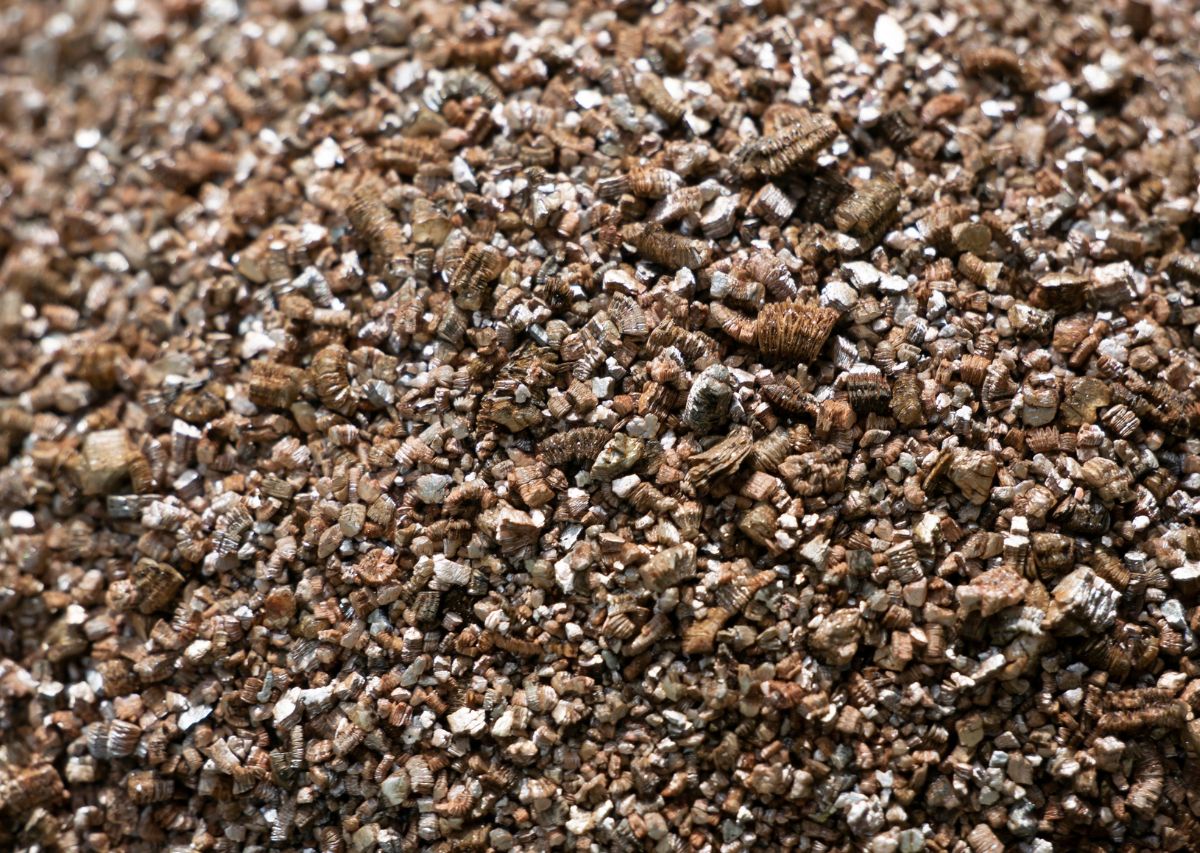
Vermiculite insulation has a distinctive appearance that sets it apart from batts or blown fiberglass. It usually looks like small, gray brown or gold flakes, sometimes shiny, resembling crushed mica or popcorn like granules. The pieces are lightweight and irregular, forming a loose, free flowing layer rather than a solid mat.
Typical visual traits include pebble sized granules that pour or shift easily when disturbed, colors ranging from silver gold to gray brown, and a layer spread across attic floors between joists, sometimes mixed with or lying under other insulation types.
Even when you are confident that an attic material is vermiculite insulation, there is no way to see whether asbestos is present or not. Contamination, when it exists, is typically in the form of microscopic asbestos fibers embedded in dust and fines between the expanded granules rather than in the visible pellets.
Practical Precautions Before Disturbing Vermiculite
If you discover vermiculite insulation, the safest initial step is to avoid walking through it, moving it, or attempting removal on your own. Disturbance can release dust that may contain asbestos if the product is contaminated, so caution is especially important before cutting new access hatches, wiring, or ventilation routes.
Keeping attic hatches sealed, avoiding storage on top of vermiculite, and limiting contractor access until they understand the risks are all sensible measures. When renovation plans involve testing, containment, or removal, working with experienced professional services such as those outlined, helps ensure that safety and compliance remain central to the project.
Testing Vermiculite Insulation For Asbestos
Because asbestos fibers are invisible, laboratory analysis is the only reliable way to determine whether vermiculite insulation is contaminated. Competent professionals collect samples carefully and send them to accredited laboratories capable of detecting even low asbestos concentrations.
Sampling is not always required if insulation will remain undisturbed, but test results become particularly valuable when renovations or system upgrades are planned. Knowing what is present allows informed decisions about containment, removal, or safe work sequencing.
Managing Vermiculite Insulation In Place
If vermiculite insulation is present but rarely accessed, many experts recommend leaving it undisturbed. When energy upgrades are needed, additional insulation can sometimes be installed above vermiculite using strict procedures that limit dust and preserve air barriers.
If removal is chosen, it should always be completed by trained crews using specialized equipment. Professional handling protects both occupants and workers while ensuring vermiculite insulation is removed safely from confined attic or wall spaces.
When Removal Or Professional Help Makes Sense
Removal is often appropriate when major renovations require repeated attic access or when air leakage allows dust to enter living spaces. In commercial or multifamily buildings, regulatory obligations may also necessitate formal assessment and abatement planning.
Plan Thoughtful Next Steps With CET
Discovering vermiculite insulation can feel unsettling, but it does not have to halt progress. CET helps property owners move forward by explaining options clearly and supporting decisions that balance safety, comfort, and long term performance. To learn more about the experience and values guiding this approach, visit the page about CET.
With informed guidance and careful planning, vermiculite insulation can be addressed responsibly rather than ignored, allowing upgrades and renovations to proceed with confidence and peace of mind.
FAQs About Vermiculite Insulation
Vermiculite insulation appears as loose, pebble like granules spread between joists or across attic floors. Colors range from silver gold to gray brown, with a flaky or mica like shine. It pours easily when disturbed and does not form solid batts or blankets like fiberglass or mineral wool products.
Not all vermiculite insulation is asbestos contaminated, but material installed in older homes often came from mines where asbestos was present. Since you cannot tell by sight, many agencies recommend assuming older vermiculite may contain asbestos and avoiding disturbance unless testing by qualified professionals shows otherwise for your specific home.
Occasional brief access for inspection can be lower risk if you avoid stirring the insulation, but regular traffic through a vermiculite filled attic can increase dust. If you must enter, many experts advise stepping on boards, minimizing movement, and considering protective gear until you understand whether asbestos contamination is present.
Do it yourself removal of vermiculite insulation is strongly discouraged because of the potential for asbestos fibers to become airborne and spread through the house. Professional crews use specialized vacuums, containment, and safety protocols that typical homeowners do not have, which is why expert involvement is recommended when removal is needed.
Testing can provide clarity, but some guidance suggests treating older vermiculite as if it contains asbestos and managing it carefully regardless. Before adding new insulation, it is wise to consult knowledgeable professionals about air sealing, access, and safe work practices so energy upgrades do not unintentionally disturb or spread contaminated material.