Every homeowner understands the importance of a properly functioning heating, ventilation, and air conditioning system. Yet, the often overlooked wall vent system plays a crucial role in maintaining optimal indoor air quality and temperature regulation. These seemingly simple components are vital for the health and efficiency of your entire home.
A robust wall vent system ensures that air circulates efficiently, removing stale air and distributing fresh, conditioned air throughout your living spaces. Without proper ventilation, pollutants, allergens, and excessive humidity can accumulate, leading to a decline in air quality and potential structural issues over time.
Many people only notice their vents when something goes wrong, such as a lack of airflow or an unusual noise. Proactive maintenance and a basic understanding of how these systems operate can prevent minor issues from escalating into major problems, saving you time and costly repair expenses in the long run.
Understanding your home’s entire ventilation network, including the functions of each wall vent, empowers you to make informed decisions about maintenance and upgrades. This comprehensive guide will explore the different types of vents, their critical roles, and common problems that can compromise your indoor environment.
The Critical Role of a Healthy Wall Vent System
A well-maintained wall vent system is indispensable for managing your home’s internal environment. It directly influences thermal comfort, ensuring that warm or cool air reaches every room evenly. This balanced distribution prevents hot or cold spots, making your living spaces consistently comfortable throughout the year.
Beyond temperature control, vents are essential for proper moisture management. Exhaust vents in bathrooms and kitchens remove steam and cooking odors, preventing the build-up of humidity that can lead to condensation and mold growth. This preventative function is crucial for preserving your home’s structural integrity.
Proper airflow through each wall vent also plays a significant role in filtering airborne particulates. As air is drawn into return vents and circulated through your HVAC system, filters capture dust, pollen, and other allergens. This continuous filtration process contributes to a cleaner and healthier indoor breathing environment for everyone.
Types of Wall Vents and Their Functions
Wall vents come in various designs, each serving a specific purpose within your home’s ventilation framework.
- Supply Vents: Deliver conditioned air into a room, typically with adjustable louvers to direct airflow.
- Return Vents: Draw stale air back into the HVAC system for reconditioning; usually larger fixed grilles.
- Exhaust Vents: Expel moist or contaminated air directly outside (e.g., bathrooms, dryers).
- Transfer Grilles: Facilitate air movement between rooms without a duct connection.
Common Wall Vent Problems and Troubleshooting
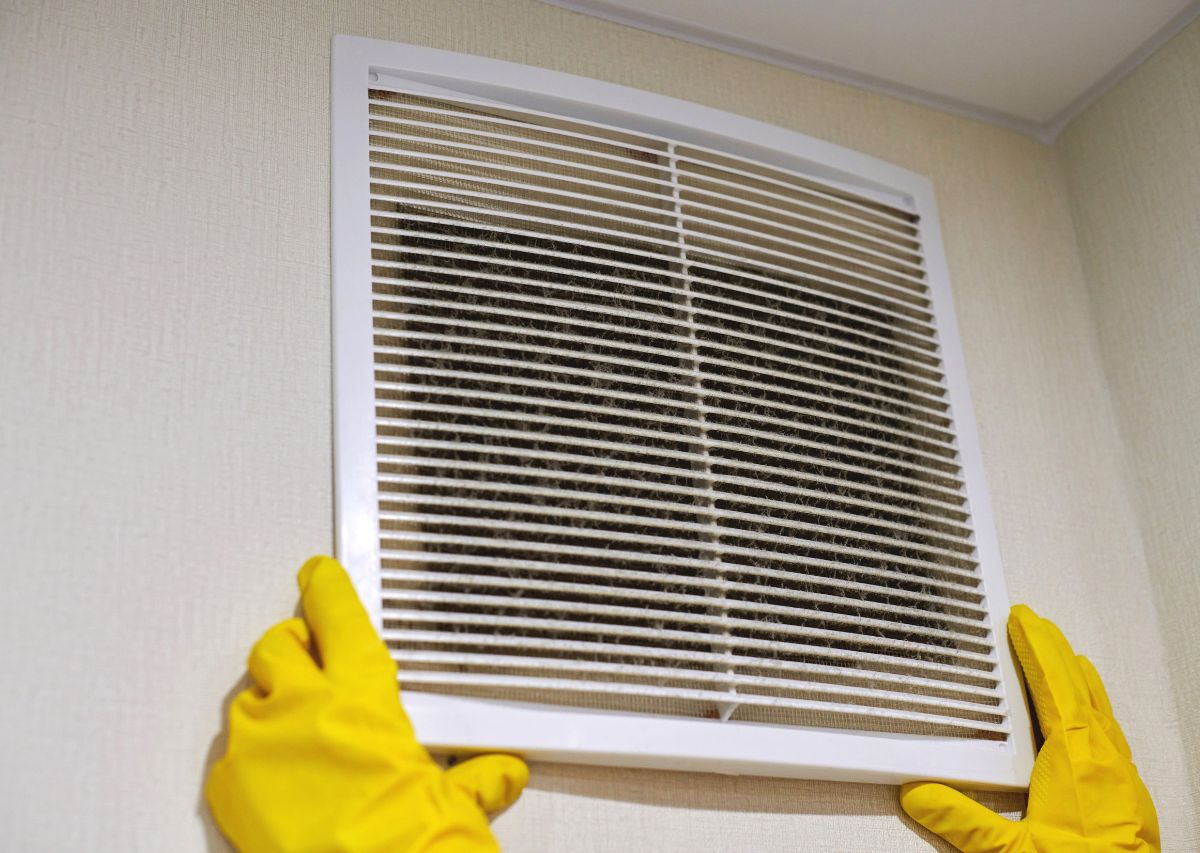
Homeowners frequently encounter a range of issues with their wall vent system. Restricted airflow is a common complaint, often caused by dust and debris buildup. Another prevalent issue is noise, such as whistling or rattling, which can indicate loose grilles or undersized ductwork.
The presence of pests or foul odors from a wall vent is a serious concern. This could indicate animal intrusion or mold growth from moisture issues. Ignoring these signs can lead to health hazards and significant damage to your home’s infrastructure.
Maintenance Tips for Your Wall Vent System
Regular maintenance is crucial for longevity. Begin by routinely cleaning visible grilles and registers to remove dust and pet hair.
- Clean grilles with a damp cloth monthly.
- Vacuum inside vent openings to remove deeper dust buildup.
- Clear obstructions: Ensure furniture and drapes do not block airflow.
- Change filters every 1 to 3 months.
Preventative Measures Against Mold in Your Vent System
One of the most insidious threats to your indoor air quality is mold. Preventing moisture accumulation is key. Ensure your bathroom and kitchen exhaust fans are working effectively and vented directly outdoors. Maintaining optimal humidity levels in your home, ideally between 30% and 50%, can significantly deter mold growth and protect your entire wall vent system.
Secure Professional Solutions for Your Home’s Air Quality
Your home’s wall vent system is vital for comfort and health. If you are experiencing issues with airflow, detecting unusual odors, or concerned about mold, CET provides professional solutions for your home’s air quality. Our team is ready to assess and optimize your ventilation system. Contact us at (224) 899-2707 or email info@classicet.com for a consultation.
Frequently Asked Questions
You should clean visible wall vent grilles monthly as part of your regular home cleaning. Vacuuming inside the vent openings is recommended every three to six months to remove accumulated dust. Professional duct cleaning for the entire system is advised every three to five years to ensure optimal airflow and air quality.
Yes, absolutely. Blocked or obstructed wall vents force your HVAC system to work much harder to circulate air, leading to increased energy consumption. This inefficiency can significantly drive up your utility bills and put unnecessary strain on your furnace or air conditioner, reducing its overall lifespan and performance.
The most common signs include a persistent musty or earthy odor near your vents, even after cleaning. You might also see visible discoloration or fuzzy patches around the vent grilles or inside the ductwork if you shine a light. Recovering from mold damage requires expert testing and a clear plan from professionals.
While it seems logical, closing too many wall vents can actually harm your HVAC system. It increases static pressure within the ductwork, which can reduce efficiency, cause premature wear on the blower motor, and even lead to leaky ducts. It is best to keep most vents open for balanced airflow.
You should consider professional duct cleaning if you notice persistent odors, increased dust accumulation, or signs of mold or pest infestation. Professionals have specialized equipment to effectively clean and sanitize the entire wall vent system, ensuring thorough restoration.