Experiencing a fire in your home or business is a traumatic event that leaves behind more than just charred remains. Once the flames are out, the lingering residue known as soot becomes your primary concern. Understanding the proper methods for soot cleanup is essential to restore your environment and protect your long term health. In many cases, homeowners benefit from professional help, and exploring available professional restoration services can ensure the damage is addressed safely and thoroughly.
Soot is composed of tiny carbon particles created by the incomplete combustion of fossil fuels and organic materials. These particles are microscopic and can easily penetrate deep into your lungs if not handled with care. Effective soot cleanup requires a strategic approach that prioritizes safety and uses specialized tools to prevent further contamination.
Many property owners underestimate the complexity of this task, often attempting to wipe away the black residue with standard household cleaners. However, improper techniques can actually smear the soot further into porous surfaces, making the damage permanent. A systematic restoration process is required to return your property to its original pre loss condition.
This comprehensive guide will walk you through the essential steps of soot cleanup, from initial assessment to final deodorization. Whether you are dealing with a small kitchen flare up or the aftermath of a larger fire, these professional techniques will help you navigate the recovery process with clarity and confidence.
Assessing the Type of Soot and Damage
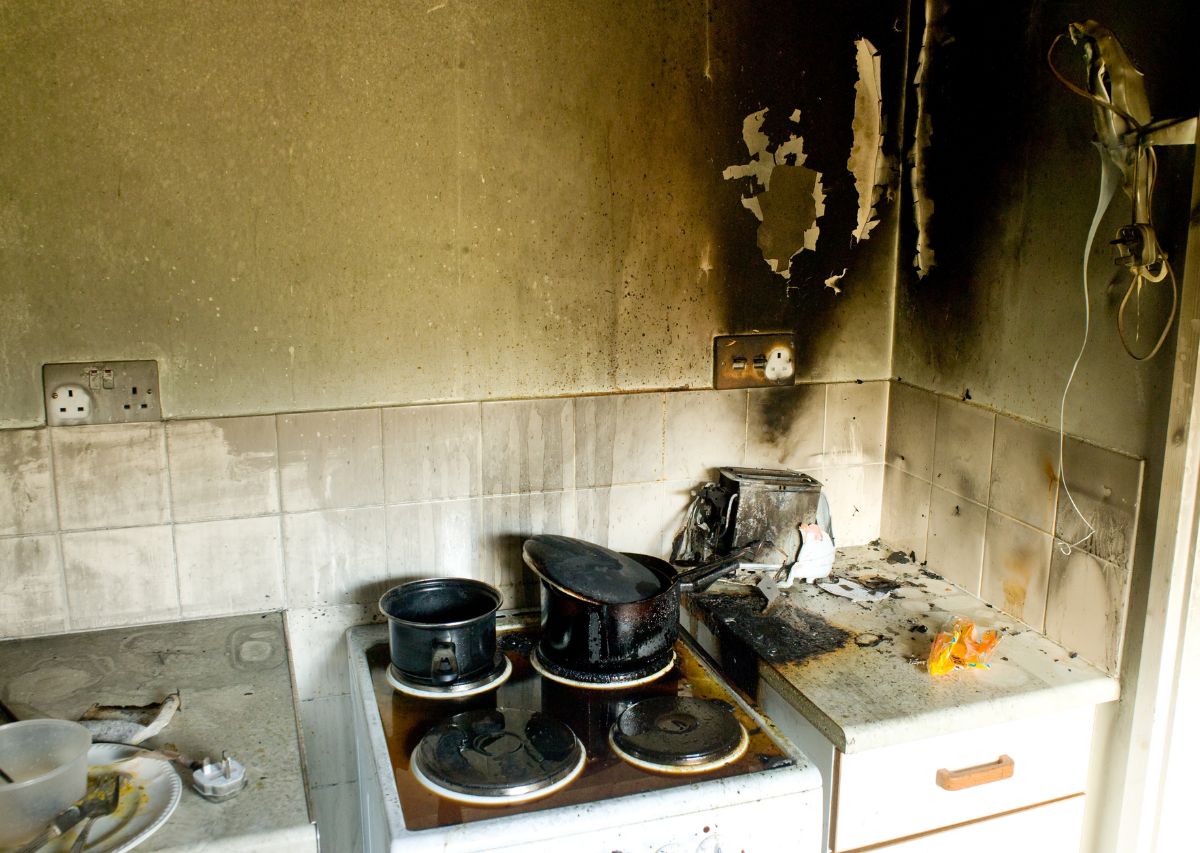
Before beginning any physical work, you must identify the type of soot present on your surfaces. Different materials produce different residues when burned. For instance, high protein fires involving meat or grease leave behind a thin, greasy coating that is virtually invisible but possesses a pungent, lingering odor.
Dry soot is typically produced by fast burning wood or paper fires. This residue is powdery and relatively easy to vacuum, provided you use the right equipment. Conversely, wet soot results from low heat, smoldering fires involving plastics or rubber. This type is sticky and requires specialized solvent cleaners for effective removal.
Properly identifying these types is a critical step in soot cleanup because the wrong cleaning agent can set the stain permanently. For example, applying water to oily soot can create a sludge that ruins walls and upholstery. Careful inspection allows you to select the appropriate chemical sponges and detergents for each unique situation.
Essential Safety Protocols and Equipment
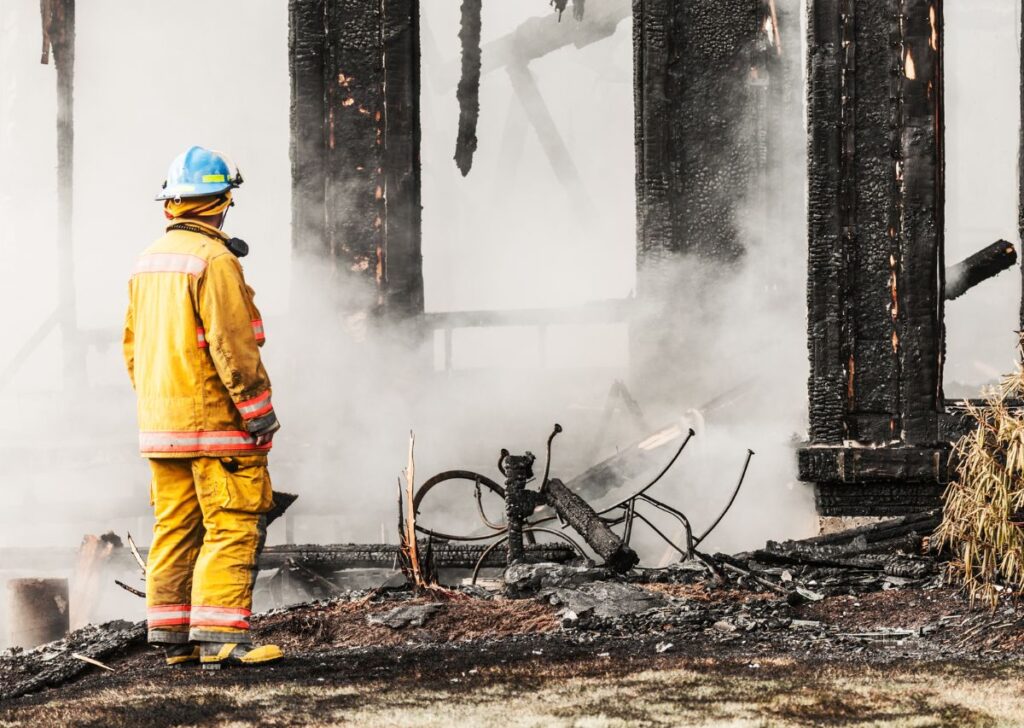
Safety is the most important component of any restoration project. Before entering a fire damaged area, ensure the structure is stable and the air quality is monitored. Soot particles are often laden with toxic chemicals and carcinogens that pose immediate risks to your respiratory system and your overall well being.
You must equip yourself with high quality personal protective equipment before starting soot cleanup. This includes a fitted N95 respirator or a full face mask, chemical resistant gloves, and disposable coveralls. Protecting your skin and lungs prevents the absorption of harmful toxins that can lead to chronic health issues later on.
- Wear a fitted N95 respirator to prevent inhaling microscopic soot particles.
- Use nitrile or rubber gloves to protect skin from chemical residues.
- Employ safety goggles to keep abrasive carbon dust out of your eyes.
- Utilize disposable suits to prevent soot from contaminating your clean clothing.
- Ensure the work area is well ventilated with industrial air movers.
Initial Surface Preparation and Air Filtration
The first physical step in soot cleanup is to address the airborne particles. Microscopic carbon dust can remain suspended in the air for days, settling on surfaces just as quickly as you clean them. Using a High Efficiency Particulate Air filter system is vital for maintaining a clean workspace.
Once the air is being filtered, begin by removing loose debris from the affected area. Avoid using standard upright vacuums with beater bars, as these can grind soot deeper into carpets. Instead, use a specialized shop vacuum with a HEPA filter and a hose attachment to gently lift the residue.
Carefully remove all damaged items that are beyond repair. This reduces the total volume of contaminants in the room and makes it easier to access hidden areas. Clear communication with your insurance adjuster during this phase ensures that all discarded items are properly documented for your claim and total recovery.
Technical Methods for Soot Removal from Walls
Cleaning walls requires a specific technique to prevent streaking. Always start soot cleanup at the ceiling and work your way down. Use dry soot sponges, also known as chemical sponges, to lift the residue without moisture. These sponges are designed to trap particles within their porous structure rather than spreading them.
Never use water or liquid cleaners until the dry soot has been completely removed with a sponge. If you apply liquid too early, the soot will dissolve and soak into the drywall or plaster, creating a stain that is impossible to cover even with heavy duty primers and new paint. In older homes, fire damage may also expose hidden hazards — understanding what does asbestos look like in drywall can help you determine whether professional testing is needed before disturbing wall materials.
- Use dry chemical sponges in a straight, overlapping motion to lift residue.
- Replace sponges frequently as they become saturated with black carbon dust.
- Vacuum the baseboards and floor after each wall section is sponged.
- Apply a specialized degreaser only after dry methods have been exhausted.
- Rinse surfaces with clean water and dry them immediately to prevent warping.
Cleaning Delicate Textiles and Upholstery
Fabric and upholstery act like magnets for soot and smoke odors. Professional soot cleanup for these items often requires specialized dry cleaning or immersion methods. For items that can be laundered at home, use a heavy duty detergent and consider adding a soot counteractant to the wash cycle.
For upholstered furniture, start by vacuuming every crevice with a HEPA vacuum. If the fabric is durable, you may be able to use a chemical sponge to lift surface residue. However, delicate materials like silk or velvet should only be handled by professionals who have the equipment to perform dry solvent cleaning.
Odors trapped in fibers are particularly stubborn. Even if the item looks clean, it may still smell like smoke. Hydroxyl generators or ozone machines are often necessary to neutralize these odors at a molecular level. This ensures that the smell of fire does not return months after the cleaning is finished.
Managing the Lingering Smell of Smoke
The final stage of soot cleanup is deodorization. Smoke odors are caused by volatile organic compounds that have embedded themselves into every porous surface in your building. Masking these smells with air fresheners is ineffective because it does not address the source of the odor.
Thermal fogging is a professional technique used to replicate the path of the smoke. A deodorizing agent is heated into a fine mist that penetrates the same cracks and crevices where the smoke traveled. This chemical reaction neutralizes the odor causing particles, providing a permanent solution for your indoor environment.
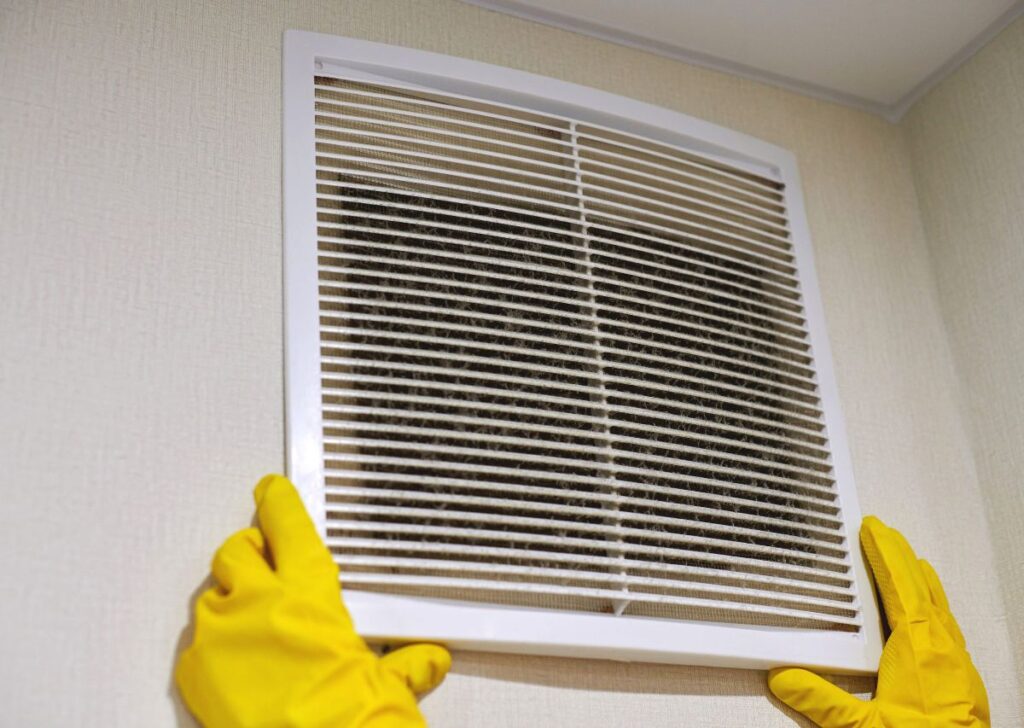
If you are dealing with a larger property, such as one with 2400 square feet of affected space, a combination of methods may be required. Deep cleaning the HVAC system is also crucial, as soot trapped in the ductwork will recirculate the smell every time the furnace or air conditioner starts.
Professional Restoration and When to Seek Help
While DIY soot cleanup is possible for minor incidents, significant fire damage requires professional expertise. Certified technicians have access to industrial grade equipment and specialized knowledge that ensures the job is done safely. They can also help navigate the complex insurance process to maximize your coverage and peace of mind.
Professional companies understand the chemistry of fire residue. They know which solvents to use on different finishes to prevent permanent etching or corrosion. Attempting to handle a large scale soot cleanup on your own can lead to mistakes that ultimately lower the value of your property and increase repair costs.
Hiring a team also speeds up the recovery process significantly. What might take a homeowner weeks to clean can often be completed in a few days by a trained crew. This allows you to return to your normal life faster and ensures that your home is truly safe for your family.
Restore Your Property with Expert Cleaning Solutions
Managing fire residue requires precision and the right equipment to ensure a healthy living environment. If you are overwhelmed by the challenges of soot removal or need professional guidance to restore your home, CET is here to help. Our experienced team provides thorough assessments and effective cleanup strategies tailored to your needs. To build confidence in your choice, you can also learn more about our restoration team and our commitment to quality service. For reliable support, contact us at (224) 899-2707 or email info@classicet.com to discuss your restoration project. We are dedicated to helping you move forward with confidence.
Frequently Asked Questions
Before you begin, you must ensure that the building is structurally safe to enter and that you have the proper safety gear. Wearing an N95 respirator and gloves is vital to prevent inhaling toxic particles. For a more detailed guide, visit our blog at post/soot-cleanup for safety tips.
You should never use a standard upright vacuum for soot cleanup. These machines often have beater bars that grind soot into the fibers and may lack HEPA filters, allowing fine particles to blow back into the air. Always use a HEPA vacuum with a hose attachment to gently lift the dry residue.
Chemical sponges are dry rubber sponges that lift and trap soot particles without the use of water. They are essential for initial soot cleanup on walls because they prevent the residue from smearing or soaking into the drywall. Use them in straight, overlapping strokes for the best results.
Smoke odors are embedded at a molecular level and rarely disappear without specialized treatment. While soot cleanup removes the visible residue, you may need thermal fogging or ozone treatment to neutralize the trapped odors. Professional deodorization ensures your home smells fresh again.
Small amounts of soot can be washed with heavy duty detergent, but large amounts can contaminate your machine and smear other items. For significant damage, it is best to use a professional restorer who specializes in textile recovery. They use specific formulas to break down the carbon.