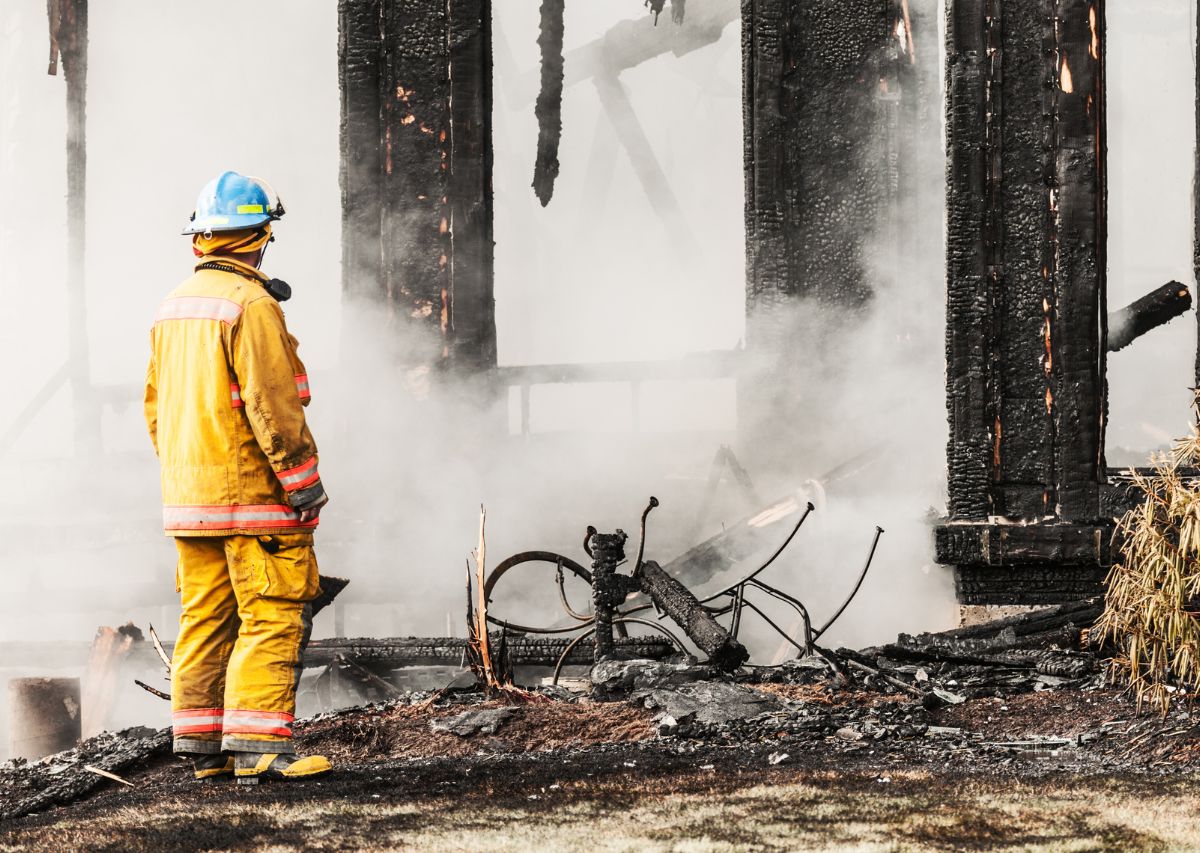
Experiencing a fire on your property is a traumatic event that leaves owners feeling helpless. The immediate aftermath is often a scene of devastation where the smell of smoke and the sight of charred remains dominate the senses. Understanding the technical nature of fire damage is the first step toward a successful recovery, which is why many property owners turn to professional fire damage restoration services for immediate guidance and support.
While the visible destruction of the flames is obvious, the invisible effects are often more dangerous. Heat can compromise the structural integrity of steel and wood without leaving a mark. Professional assessment is required to identify these hidden hazards and create a strategic plan for the total restoration of your home or business.
The Immediate Dangers of Structural Instability
The primary concern after any blaze is the safety of the building structure. Intense heat causes materials to expand and contract rapidly, which often leads to hidden fractures in foundation walls and support beams. A property that looks stable from the outside may actually be at risk of a localized collapse.
Restoration experts must perform a thorough inspection to ensure the environment is safe for workers and occupants. This process involves checking for sagging floors, cracked masonry, and warped metal supports. Addressing these structural issues immediately prevents further loss and ensures that the reconstruction phase is built on a solid and secure foundation.
Understanding the Corrosive Nature of Soot
Soot is more than just a black powder; it is a highly acidic byproduct of incomplete combustion. When different materials burn, they create various types of soot that react chemically with surfaces. If left untreated, this acidity will cause permanent etching on glass, marble, and stainless steel fixtures within hours.
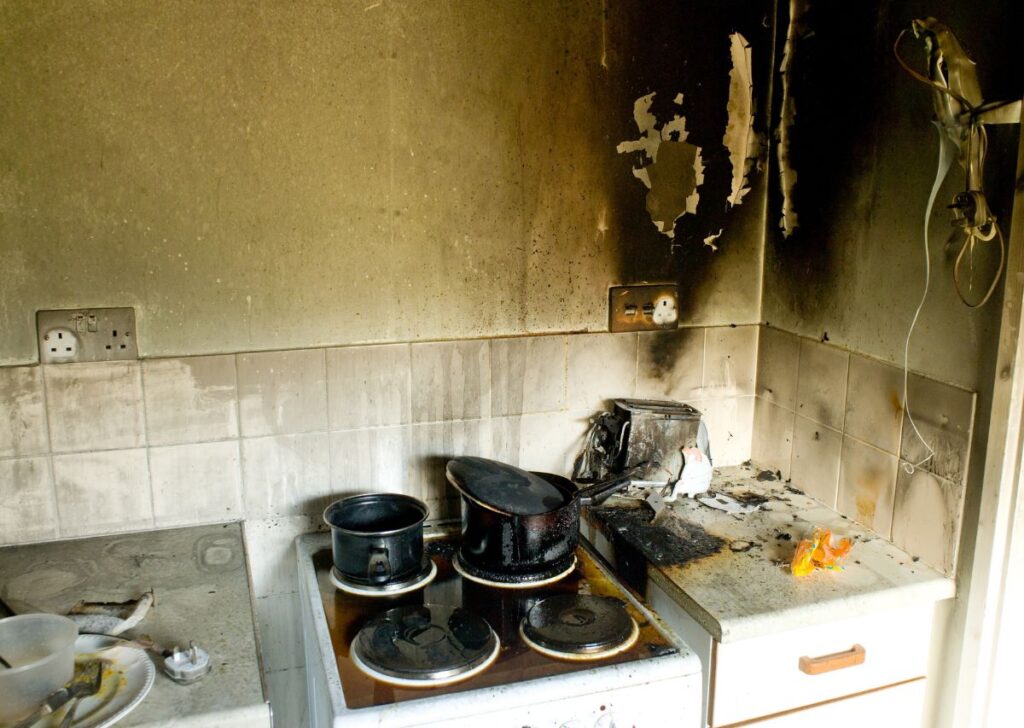
Different fires require different cleaning methods. A kitchen fire involving grease creates a sticky, yellow residue that is resistant to traditional cleaning agents. Conversely, a wood fire produces a dry, powdery ash that is easier to remove but travels further. Matching the cleaning chemistry to the type of fire is essential for success.
The Pervasive Reach of Smoke Particles
Smoke is an invasive force that behaves like a gas, moving through every available crack and crevice in a building. It travels through plumbing stacks, electrical outlets, and deep into wall cavities. Because smoke particles are microscopic, they can settle in areas that are completely invisible to the naked eye.
The pressure created by the heat of a fire actually drives smoke into porous materials like wood studs and insulation. Simply painting over these surfaces will not solve the problem, as the odor will eventually bleed through the new finish. True restoration requires neutralizing these particles at their source using specialized professional equipment.
Chemical Hazards and Lingering Toxicity
Modern buildings are filled with synthetic materials that release toxic chemicals when they burn. Plastics, foams, and treated fabrics emit hydrogen cyanide and carbon monoxide among other dangerous gases. These toxins settle into the dust and soot, creating a hazardous environment for anyone without professional grade respiratory protection.
Ensuring the air quality is safe is a vital component of the restoration process. Technicians use high efficiency particulate air scrubbing units to filter these contaminants out of the environment. This step is crucial for protecting the long term health of the property occupants and ensuring that the building is truly clean.
Water Damage from Firefighting Efforts
It is a common reality that fire damage is almost always accompanied by significant water damage. Firefighters must use massive amounts of water to suppress the flames, which often leads to standing water in basements and saturated drywall throughout the structure. This secondary moisture creates a perfect breeding ground for mold.
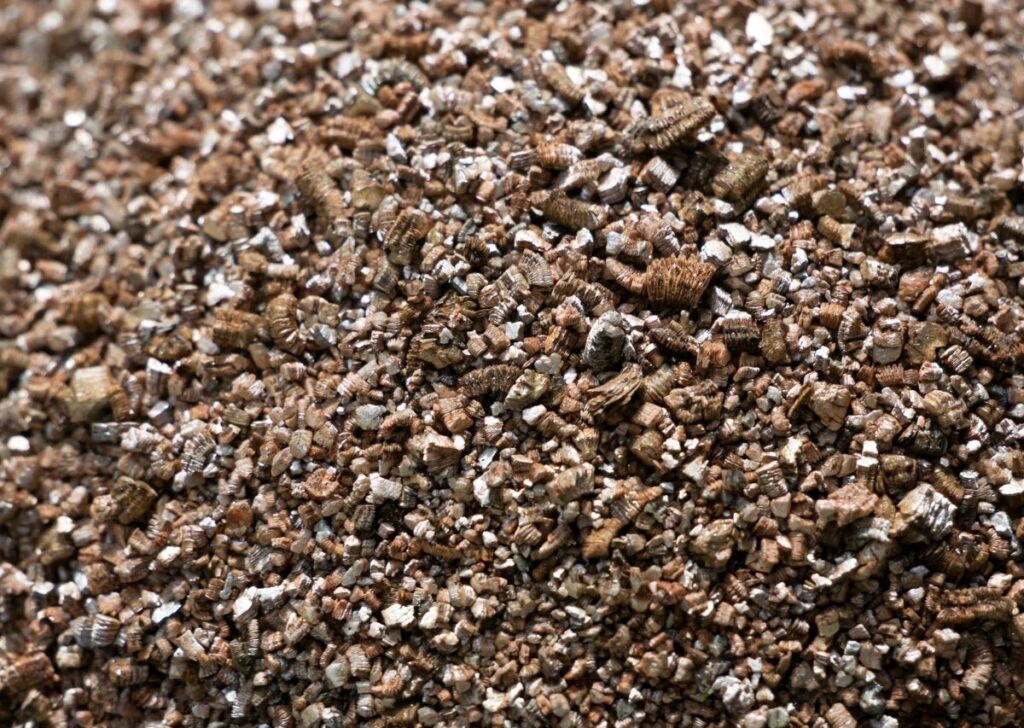
Restoration teams must act quickly to extract the water and dry the structure. If the drying process is delayed, the humidity in the building will rise, causing soot to bond even more permanently to the walls. During reconstruction, it is also important to assess potential environmental hazards inside damaged walls, including older materials — especially if you are unsure what asbestos looks like in drywall and whether professional testing may be required.
Essential Components of Fire Mitigation
Emergency board up and roof tarping to secure the property from weather.
Rapid water extraction and structural drying to prevent mold colonization.
Comprehensive inventory and pack out of personal belongings for off site cleaning.
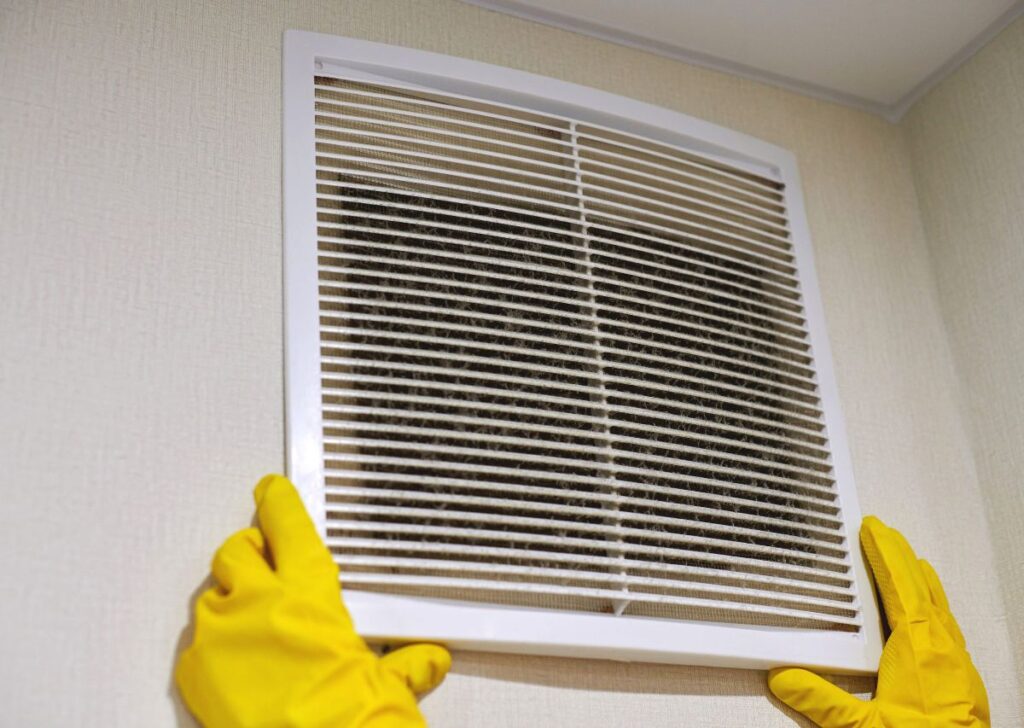
Detailed decontamination of all surfaces including HVAC ductwork and wall cavities.
Final reconstruction and build back to return the property to pre loss condition.
The Science of Professional Odor Removal
Removing the smell of a fire is one of the most difficult tasks in the restoration industry. Many people try to use household sprays, but these only mask the odor for a short time. Professional odor removal involves changing the chemical structure of the smoke molecules so they no longer produce a scent.
Technicians use ozone generators and hydroxyl machines to break down the odors. Thermal fogging is another powerful tool that mimics the heat of the fire to push neutralizing agents into the same hidden areas where the smoke settled. This ensures that the smell does not return when the weather becomes hot or humid.
Managing Insurance Claims and Documentation
Dealing with an insurance company while recovering from a loss is a significant burden. Proper documentation is the foundation of a successful claim. Every damaged item must be photographed, cataloged, and valued to ensure that you receive the maximum benefit allowed under your property insurance policy.
A professional restoration firm can provide the detailed estimates and reports that adjusters need to process the claim quickly. By speaking the language of the insurance industry, experts can ensure that the scope of work covers all necessary repairs. This advocacy is vital for property owners during such a stressful transition.
Contents Cleaning and Restoration
Not every item touched by smoke is a total loss. Many personal belongings, including electronics, clothing, and furniture, can be saved through specialized cleaning processes. Contents restoration involves using ultrasonic tanks and specialized dry cleaning to remove soot and odors from delicate items without causing any further damage.
This process starts with a careful pack out where items are barcoded and moved to a secure facility. Cleaning your belongings in a controlled environment is much more effective than trying to clean them inside a damaged building. Once the structural repairs are finished, your restored items are returned to your clean home.
Why DIY Restoration is Often Risky
Attempting to clean fire damage yourself can lead to permanent mistakes. Using the wrong vacuum or cleaning solution can actually drive the soot deeper into the material, making it impossible to remove later. Additionally, the health risks of inhaling fine soot particles without the correct mask are very serious and long lasting.
Professionals have the training to manage 3600 or other specific environmental standards required for a safe building. They have access to industrial strength cleaners and tools that are not available to the general public. Investing in expert help ensures that the job is done correctly the first time and protects your property value.
Reconstruction and the Final Build Back
The final phase of recovery is the reconstruction of the damaged areas. This includes hanging new drywall, installing flooring, and replacing cabinetry that was destroyed by flames or water. This stage is where the property finally begins to feel like a home or a functional place of business once again.
Working with a full service company that handles both the cleaning and the construction provides a much smoother experience. It eliminates the need to manage multiple different contractors and ensures that the project remains on schedule. The goal of this phase is to make the fire a distant memory for the owner.
Critical Safety Tips for Property Owners
Never enter a fire damaged building until a professional has cleared the structure.
Do not attempt to turn on the electricity or gas until the utilities are inspected.
Avoid eating any food or using any medicine that was exposed to heat or smoke.
Document everything with photos before any cleaning or demolition begins on the site.
Keep all receipts for temporary living expenses to submit to your insurance carrier later.
Creating a Fire Safe Environment
Test all smoke detectors monthly and replace the batteries at least twice a year.
Keep a working fire extinguisher in the kitchen and ensure everyone knows how to use it.
Create a detailed fire escape plan with two ways out of every room in the house.
Schedule professional inspections for your chimney and heating systems every single year.
Ensure all electrical cords are in good condition and avoid overloading your power strips.
Choosing the Right Restoration Partner
When you are facing the long road to recovery, the company you choose makes all the difference. You need a partner who understands the technical science of cleaning and the emotional weight of the situation. A local team with deep experience in the community can provide the personalized care you deserve.
Restore Your Property and Your Peace of Mind
The aftermath of a fire is overwhelming, but you do not have to face it by yourself. Our team is dedicated to helping you navigate the cleaning, the insurance claim, and the final reconstruction of your property. We handle the heavy lifting and the technical details so you can focus on your future. Contact CET at (224) 899-2707 or email info@classicet.com to receive professional guidance and start the process of restoring your property to its original condition today. You can also learn more about our restoration experts and our commitment to helping families and businesses recover with confidence.
Frequently Asked Questions
Soot and smoke can cause permanent staining and etching on surfaces within just a few hours. The longer the residue sits on glass, metal, or stone, the more likely it is to cause irreparable damage. This is why it is vital to contact a professional restoration team as soon as the fire is out.
Most standard property insurance policies cover fire damage, including the cleanup and the reconstruction. The final coverage depends on your specific policy limits and the cause of the fire. We work directly with your insurance adjuster to ensure that the full scope of the damage is documented correctly.
You should never turn on your heating or cooling system after a fire until it has been professionally cleaned. The HVAC system can spread soot and smoke particles through the entire building, contaminating areas that were originally unaffected. This can significantly increase the cost and time of the cleanup.
Smoke odor in clothing requires specialized dry cleaning known as ozone or hydroxyl treatment. Traditional home washing machines can actually set the smell into the fabric permanently. A professional contents restoration team can typically save the majority of your wardrobe using these advanced chemical processes.
Even a small fire creates microscopic soot and toxic gases that linger in the air. These particles can cause respiratory issues and other health problems if they are inhaled over a long period of time. It is always best to have a professional air quality test performed before you decide to stay.